| Check or choice | What the evidence shows | Planning use |
|---|---|---|
| Named coating | Parchment is cellulose paper coated with silicone, and a maker that names its coating is one of three label signals to look for. | Prefer a box that names the coating. A bare slogan gives you nothing to verify. |
| Unbleached or chlorine-free wording | It is another of the three label signals. | Use it as a quick shelf filter, not as proof of anything about the coating. |
| Printed heat limit | Most brands are oven-safe up to a stated limit, typically 420-425°F. | Compare the printed limit with your recipe’s oven temperature before you buy. |
| Total fluorine test report | It is a screening test that catches PFAS and other fluorine compounds without naming them. | Read it as a broad screen, not a compound-by-compound list. |
| Uncoated greaseproof paper | Food can stick more than on coated paper. | Consider it only where extra sticking is acceptable. |
The label criteria and sticking trade-off come from a parchment buying guide, and the paper construction and typical oven limit from an alternatives-to-parchment guide.
Choosing pfas free parchment paper starts with the coating: standard parchment is cellulose paper with a silicone coating, so look for a maker that names it, prints a heat limit and backs any PFAS-free claim with test results.
For the wider routine of vetting claims on kitchen and wellness goods, the Product Safety Checks hub explains is this health product legit questions in a repeatable way.
What label details mean for your purchase
A front-of-box slogan tells you what the brand wants you to believe. The smaller print tells you what you can check. Each detail points to a buying decision.
- Named coating: A maker that names its coating (silicone) gives you something to verify. A box that says only “PFAS-free” gives you a slogan. When a named-coating product is on the same shelf, choose it.
- Unbleached or chlorine-free wording: This is a cheap filter and one of the three label signals a parchment buying guide recommends. It describes how the paper was treated, not what the coating is, so it never replaces the other checks.
- Printed heat limit: A product with no stated limit leaves you guessing at the oven. Pass on it if a comparable product prints one.
- Test documentation: A brand that publishes lab results suits shoppers who want evidence rather than reassurance. If a brand offers none, treat the claim as unproven and weigh the other label signals more heavily.
Missing details do not prove a product contains PFAS. They only mean you cannot confirm that it does not, which matters when you are choosing between otherwise similar rolls or sheets.
How to verify a brand’s PFAS-free claim
A claim is only as strong as the evidence a brand can show behind it. Work through the checks below in order and stop at the first one a product fails, because you then have a reason to choose another brand.
- Find the coating name. The product page or box should say what coats the paper. Silicone is the coating the guides describe for parchment. A listing that names it is at least specific enough to question further.
- Look for the printed heat limit. A limit on the pack shows the maker has thought about how the paper behaves in the oven. It does not verify the PFAS claim, but its absence is a warning sign.
- Ask for third-party testing. A report from an independent lab carries more weight than a brand’s own statement. Check which test was run and which product it covers.
- Read the test type correctly. Total fluorine is a screening test. It catches PFAS and other fluorine compounds without naming them, so a total fluorine result speaks to fluorine overall and does not identify individual compounds. Look for a report that says what was measured, and ask the brand if it does not.
- Separate seller statements from verification. A marketplace listing for an unbleached parchment, for example, describes its coating as food-grade silicone. That is the seller’s description. It is a useful starting point but not independent evidence about PFAS.
If a brand answers questions with specifics (coating, heat limit, test type), that is a good sign. If it answers with more slogans, move on. Keep the report, listing or box so you can compare it with the next batch you buy.
Silicone coating and why it defines the choice
Parchment paper is cellulose paper coated with silicone, according to the alternatives guide. The coating is the part of the product that separates it from plain paper, and it is the part a PFAS-free claim is really about.
That is also why uncoated paper behaves differently. The parchment buying guide notes that food can stick more on uncoated paper than on coated paper. The coating buys you nonstick release, and the trade-off is that you must trust what the coating contains.
Paper type alone does not tell you what a particular product contains. The coating name, the testing behind it and the maker’s willingness to share both do. That is the reason the label checks above matter more than the word “parchment” on the front of the box.
Heat limits and everyday use
Match the paper to the job. Most brands are oven-safe up to a stated limit, and the alternatives guide gives 420-425°F as typical. Limits differ between brands, so read the one printed on your pack rather than assuming a general figure.
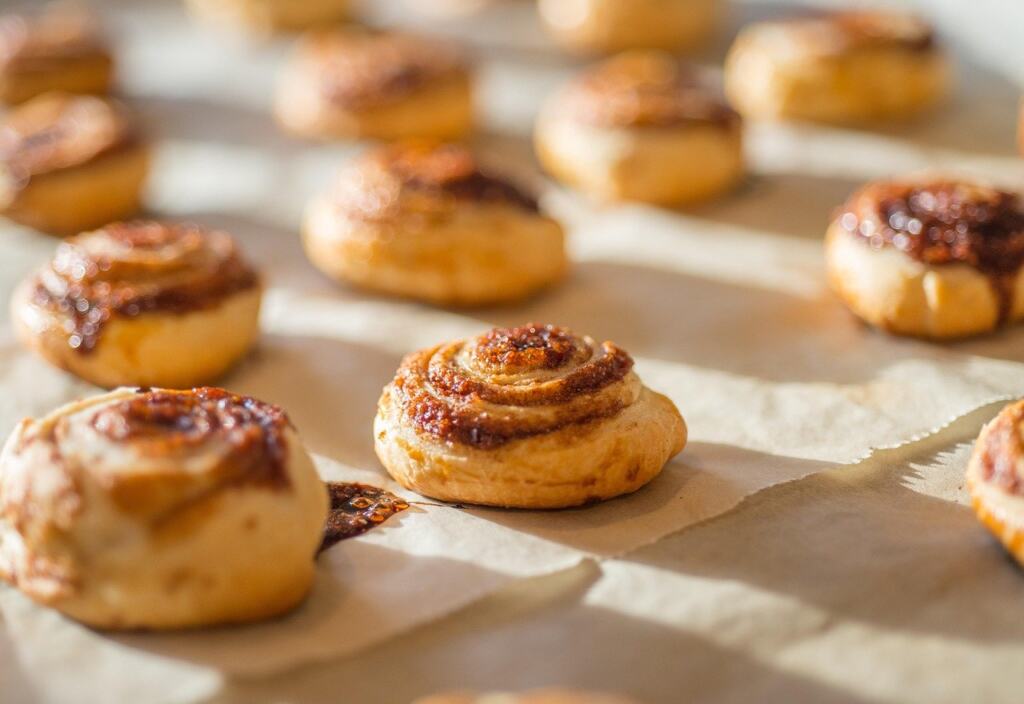
If a recipe calls for more heat than the printed limit, switch to a different method or product instead of stretching the paper. Staying inside the stated limit is the simplest way to use any coated paper as its maker intended.
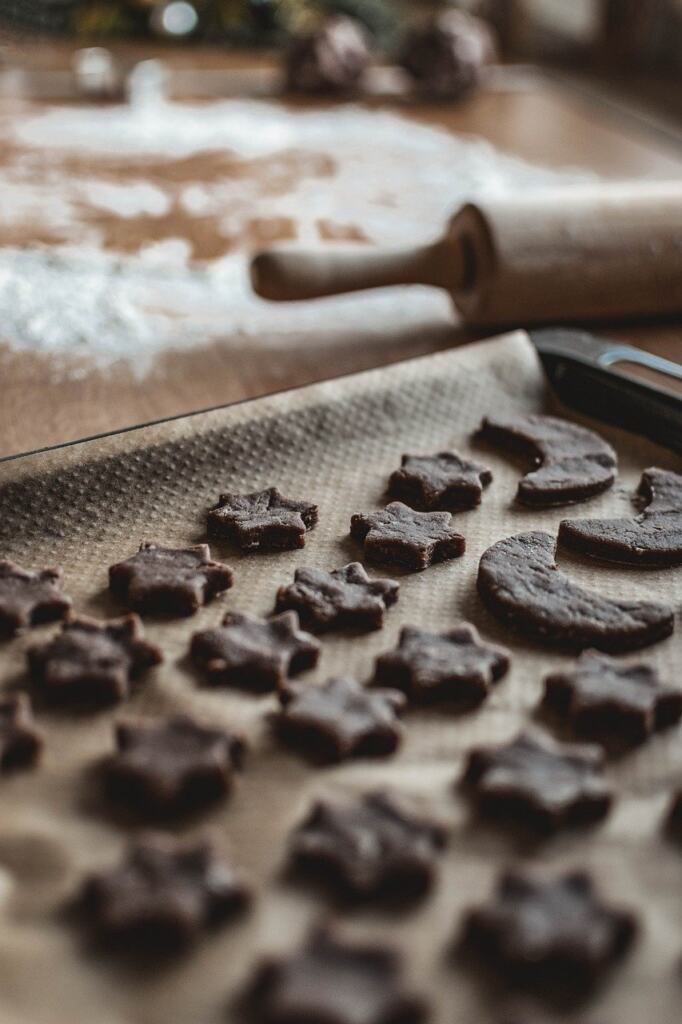
Alternatives to coated parchment
Uncoated greaseproof paper is the clearest alternative the evidence supports. The trade-off is plain: food can stick more than it does on coated paper. That makes it a fit when you can accept some sticking in exchange for avoiding a coating altogether.
- Choose uncoated paper if avoiding any coating matters more to you than easy release, and you are prepared for more sticking.
- Stay with coated paper if nonstick release is the point, and put your effort into the verification checks instead.
- Apply the same questions to any substitute: what it is made of, what heat it is rated for, and what testing the maker can show.
Related product checks
The same label-first habit carries over to other household items. For drinkware, read Microplastics In Water Bottles: What Consumers Need To Know In 2026 – Testpledge. For scented products, see Phthalate-Free Fragrance Oils: How To Choose Safer Scents In 2026 – Testpledge.
Frequently asked questions
Is unbleached parchment paper automatically free of coatings?
No. Unbleached parchment is marketed as chlorine-free, but it is still coated with silicone. Apply the same coating, heat-limit and testing checks to it as to white paper.
Can I rely on a temperature range stated in a seller’s listing?
Treat it as the seller’s statement. One unbleached listing states its paper withstands -68°F to 450°F, which is above the typical 420-425°F oven limit for most brands. Compare any such range with the limit printed on the pack you receive.
What sheet size and weight should I compare when buying?
Check the sheet size against your pan and the paper weight against the product description. The unbleached listing mentioned above offers 200 sheets at 9×13 in and 45 gsm, which shows the kind of detail a complete listing provides.