You are at your desk with a half-empty bottle, asking how much water should I drink a day. For healthy adults, Harvard Health puts total water, from food and all drinks, at about 15.5 cups for men and 11.5 for women.
Most of that total does not have to be plain water. Food supplies about 20% of the water you need, coffee and tea count toward the rest, and pale yellow urine suggests you are drinking enough.
Water is one piece of daily eating. The healthy eating guidelines hub sets out the wider picture, and guides on how much fiber per day and what are ultra processed foods cover two more.
The eight-glasses rule
The eight-glasses rule is a memory aid, not a myth and not a universal target. University of Rochester Medical Center describes 8 glasses (64 oz, about 2 L) as an easy goal to remember that can be reasonable for some people. The same source notes that real needs shift with weather, sweat and other factors.
The rule falls short in one respect. It gives everyone the same figure, while the evidence-based totals count water from food and every beverage and differ by sex. If the rule keeps you drinking regularly, keep it. If you want a number that reflects how you eat and drink, use the totals below instead.
Finding your daily total
Adequate intake is the benchmark behind these figures. According to eatright.org, adequate intake levels for water were set for generally healthy people and are based on age and sex, and the totals include water from both food and beverages. Which number you use depends on what you count.
| Measure | Men | Women | Planning use |
|---|---|---|---|
| Total water from food and drinks | About 15.5 cups | About 11.5 cups | The overall target for healthy adults. Soup, fruit and coffee all count toward it. |
| Fluid from drinks alone, after about 20% comes from food | About 13 cups | About 9 cups | Use this if you only track what you drink. |
| Plain water | About four to six cups | About four to six cups | A typical amount of plain water for most people, depending on other fluid sources. |
Harvard Health supplies the total-water and plain-water figures, and eatright.org supplies the drink-only fluid figures.
University Health arrives at the same drink-only totals, about 13 cups (125 oz) for men and about 9 cups (91 oz) for women, and counts fruit and vegetables toward them. MD Anderson Cancer Center likewise calls 15.5 cups for men and 11.5 cups for women a good goal when food and drinks are both included.
Use the table as a benchmark for healthy adults, not a quota to hit to the last cup. If you drink coffee, eat fruit and have soup, you can reach the total with only a modest amount of plain water.
Counting food, coffee and tea
Water in food
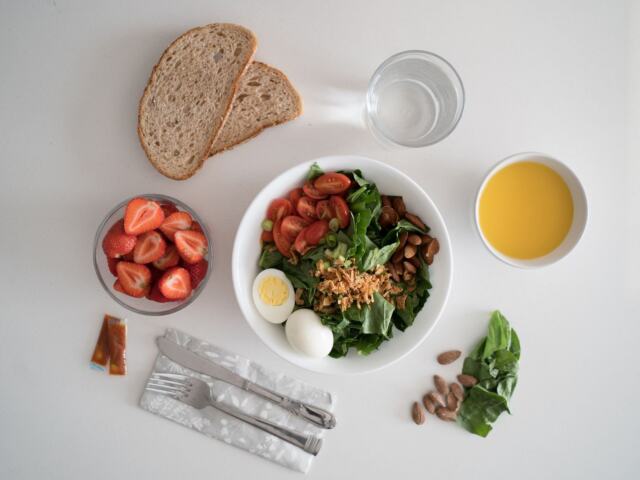
Food typically supplies about 20% of the water you need, according to eatright.org. Produce is the easiest way to raise that share, because the same source lists options with a 90% to 100% water content, including cantaloupe, strawberries, watermelon, lettuce and cucumber-type vegetables. If you eat little fruit or salad, you will likely need more from drinks to reach the same total.
Coffee and tea
Yes, coffee and tea count. Harvard Health states that all beverages containing water contribute toward daily needs, and that the water in caffeinated and alcoholic drinks still gives a net positive contribution to total fluid consumption. Tea, as a water-based drink, falls under the same statement.
University of Rochester Medical Center adds that coffee is mostly water, which balances out caffeine’s diuretic effect when consumed in typical amounts. The concern it raises is with caffeine supplements or very heavy intake, not an ordinary cup. A morning coffee or afternoon tea can stay in your total without a penalty.
Checking whether you are drinking enough
A quick check beats counting cups. The two most useful signals are urine color and how you feel through the day.
- Urine color. Pale yellow suggests you are drinking enough. If it is dark yellow or amber, eatright.org advises you may need to increase what you drink.
- Physical signs. University of Rochester Medical Center lists dark yellow urine, dry mouth, headache, fatigue, dizziness or lightheadedness, and muscle cramps. Harvard Health adds weakness and low blood pressure to its warning signs.
- Thinking and mood. Mild dehydration may affect mood, memory and how well you process information, and eatright.org notes these effects often ease once you rehydrate.
- Thirst. Thirst is often an early sign of dehydration, so drink fluids regularly through the day rather than waiting until a long gap has passed.
If you notice dark urine plus a headache in the afternoon, drink a glass or two and recheck over the next few hours. Persistent dizziness, weakness or confusion calls for more than a glass of water, so seek medical advice.
Heavy sweating, heat and exercise
Replacing what you lose
On days of hard exercise or heat, the everyday totals no longer apply. University of Rochester Medical Center suggests weighing yourself before and after activity and drinking 24 ounces of water for each pound lost. This turns a vague feeling of thirst into a measurable target for that session.
Electrolytes and sodium
Electrolytes are minerals that help the body move and function, and they are lost in sweat. When you are sweating a lot, the same source recommends a sports drink that contains sodium. For ordinary rest in a temperate climate, plain water is enough.
MD Anderson Cancer Center agrees that most people get enough electrolytes through a balanced diet and plain water. It names before, during and after prolonged exercise or heavy sweating, and long spells of extreme heat, as the times when an electrolyte drink makes sense. For a short walk or a desk-bound day, skip the sports drink.
When more water is not better
Overhydration is less common than dehydration, but it is real. eatright.org notes that athletes and people with certain medical conditions may be at higher risk. University of Rochester Medical Center explains the mechanism: excess water dilutes the blood and lowers levels of sodium and other electrolytes, which can bring nausea, headache or confusion.
This is why the sweat-replacement advice pairs water with sodium. Drinking steadily to match thirst and urine color is safer than forcing fluid on top of an already adequate total. If a medical condition affects how your body handles fluid, follow your own clinician’s guidance over any general figure.
Frequently asked questions
| Question | Answer |
|---|---|
| Do older adults and young children need extra attention? | Yes. Harvard Health notes that older people do not sense thirst as much as they did when younger, which raises dehydration risk, especially with diuretics. University Health adds that dehydration can occur faster in the elderly and very young. |
| Does pregnancy change the total? | Yes. Pregnancy, breastfeeding, activity, illness and certain conditions alter fluid needs. University Health gives 11-12 cups of total fluids a day as the recommendation during pregnancy. |
| Should I use an electrolyte drink after a stomach illness? | It can help. MD Anderson Cancer Center lists vomiting or diarrhea among the situations where replacing electrolytes makes sense, alongside prolonged exercise and long extreme heat. |
| What should I check on an electrolyte product label? | Look at the sodium and vitamin and mineral content. MD Anderson advises avoiding options that supply more than 100% of the Daily Value for sodium and other vitamins and minerals. |