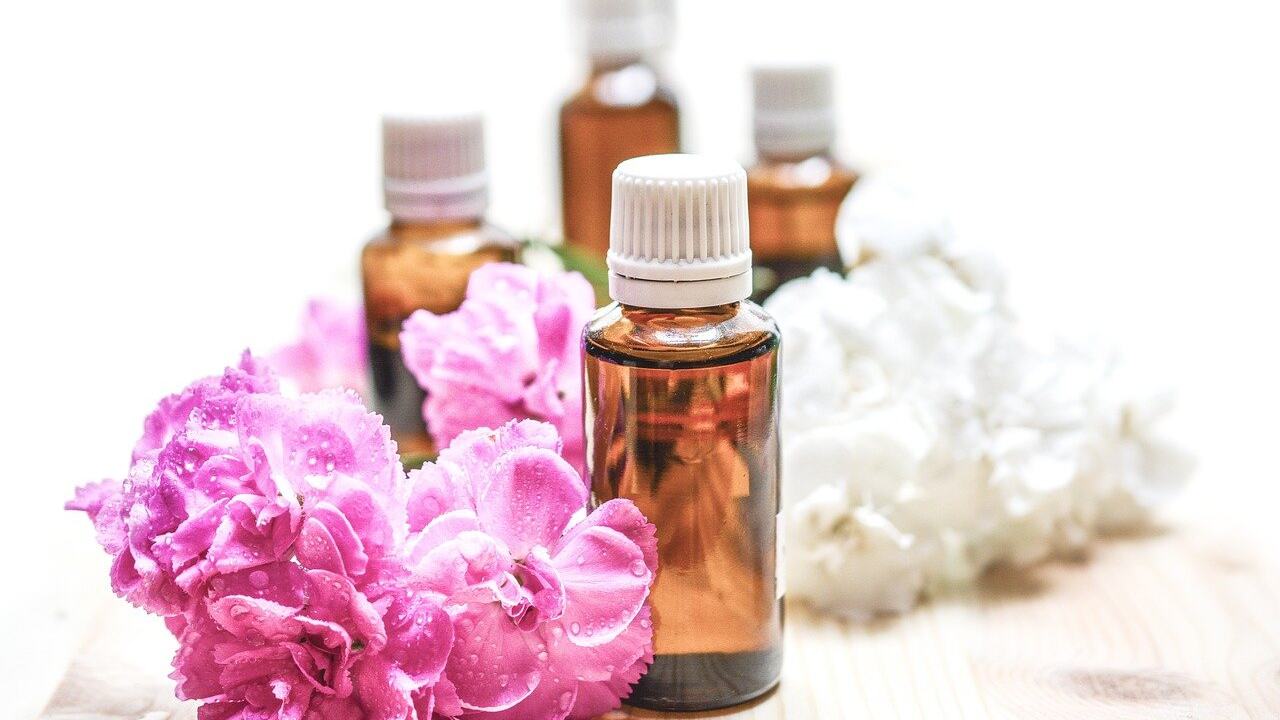
Phthalate free fragrance oils exist, but the phrase is only as reliable as the evidence behind it: some perfumery fixatives are phthalates, and a generic label cannot show which oils avoid them. Ask for a batch-specific Certificate of Analysis.
Before buying any scented product, it helps to ask is this health product legit and then apply the scent-specific checks below.
Why phthalates end up in fragrance
Phthalates end up in fragrance because they do a useful job in the oil. One fragrance retailer describes phthalates as a cluster of chemical compounds that soften plastics and make common fixatives in perfumes more flexible. The same description says they help dissolve and stabilize perfume ingredients, which extends scent longevity.
That mechanism has a practical consequence. A long-lasting scent is not evidence of anything harmful, but it is also not a quality marker you should reward without asking how the longevity was achieved. If an oil owes its staying power to a phthalate fixative, a phthalate-free version has to get its performance from a different blend.
So, do fragrance oils contain phthalates? Some do, and some are built without them. Nothing about the word “fragrance oil” tells you which type you are holding. The answer sits in the formulation and in the evidence the seller can show for it.
Common phthalates in fragrance
Two names matter most when you read a supplier document: DEP and DBP. DEP is the one to expect first, because it is described as the most commonly used phthalate in perfumery.
| Phthalate | Abbreviation | Described role | Planning use |
|---|---|---|---|
| Diethyl phthalate | DEP | Most commonly used phthalate in perfumery, as a fixative | Make DEP the first name you look for in a test result, ingredient list or safety document. |
| Dibutyl phthalate | DBP | Named alongside DEP as a phthalate in the perfume context | Ask that any test covers DBP by name, not just “phthalates” in general. |
These descriptions come from a fragrance retailer’s phthalate-free explainer, which gives a description of use rather than any measure of how often each compound appears.
The practical rule is that “phthalate-free” should mean something specific. A statement that names the compounds checked, starting with DEP and DBP, is far more useful than one that simply asserts the absence of a whole chemical class.
What “fragrance” on a label hides
A single word such as “fragrance” or “parfum” stands in for an entire blend. Exact fragrance formulas are treated as a protected trade secret, so a brand can list the oil without listing what is in it. That is why a label alone cannot confirm or rule out a phthalate.

One retailer’s advice is to stay away from ingredients labeled as parfum, unscented and fragrance. That is a cautious position rather than a regulatory rule, but the logic is sound: these terms give you nothing to check.
- “Fragrance” or “parfum”: the blend is undisclosed, so the label cannot answer the phthalate question. You need a document that names tested compounds.
- “Unscented”: this describes how the product smells, not what it contains. Treat it as no more informative than “fragrance”.
- “Phthalate-free” with no detail: this is a claim, not evidence. It becomes useful only when the seller can say what was tested and by whom.
The trade-secret point cuts both ways. A seller may reasonably decline to publish a full formula, but a test result for named phthalates does not require revealing the formula. Declining the first is acceptable; declining the second is a reason to look elsewhere.
How phthalate-free oils are put together
Phthalate-free oils replace the fixing and dissolving work with other ingredients rather than leaving it undone. One supplier describes its product as a blend of natural fragrance constituents, essential oils, and GRAS safe phthalate-free synthetics. The point to take from this is that synthetic does not automatically mean phthalate. The question is which synthetics, and whether the seller can show it.
Supplier statements tend to come in two separate kinds, and it pays to keep them apart:
- Free-from statements: for example, a range described as formulated without phthalates or parabens. This speaks directly to your question but is still the supplier’s own assertion.
- Compliance statements: CareFree oils are described as IFRA compliant and California Prop 65 compliant (vendor claims). IFRA is the International Fragrance Association, and another supplier says it follows IFRA safety and purity standards. These place the product within recognised frameworks, IFRA’s in the industry’s case and California’s in the Prop 65 case. They are not the same claim as “contains no DEP or DBP”.
Regulatory status varies by region, so a compliance phrase on one product page may not describe the rules where you live. Use compliance wording as a reason to ask further questions, not as a substitute for a phthalate result.
Verifying a claim with a Certificate of Analysis
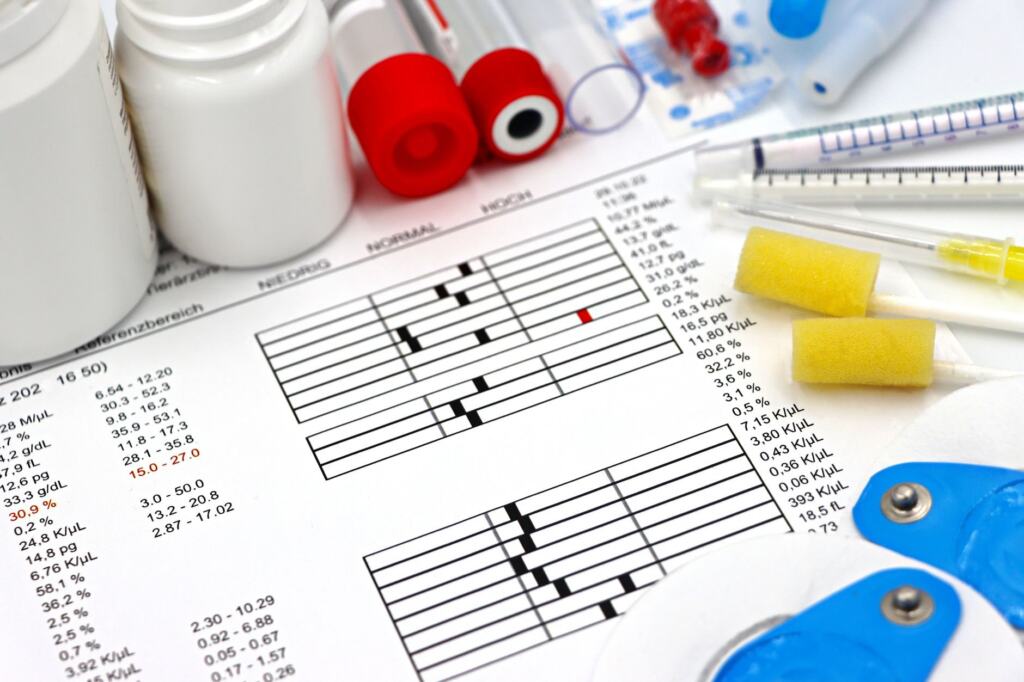
The strongest practical step is to ask for a Certificate of Analysis, usually shortened to CoA, for the exact batch you are buying. A CoA reports test results for a specific lot. Because exact formulas are protected, a result for named compounds is the most you can reasonably expect, and it is also the most useful thing to ask for.
- Ask in writing. Request the CoA for the specific product and batch, and say you want phthalate results. A written request gives you a record of what the seller replied.
- Check the compounds named. The document should list the phthalates tested, with DEP and DBP appearing by name, and give a result for each. A page that says only “phthalate-free” with no compounds listed is a claim, not a test.
- Match the batch. Compare the batch or lot number on the document with the one on your bottle. A certificate for a different lot says little about yours.
- Identify the tester. See who produced the results. A named laboratory, with contact details you could follow up, carries more weight than an unsigned summary.
- Read it against the rest. The result should be consistent with the safety data sheet and any ingredient information the seller provides. If the documents conflict, ask the seller to explain before you buy.
- Treat refusal as an answer. If a seller cannot or will not produce any batch-level evidence, do not rely on the claim and choose a supplier whose evidence you can see.
This approach also protects you from a common trap. A brand can sincerely believe its oil is phthalate-free because its own supplier said so, yet never have seen a test. Asking for the CoA moves the burden of proof to whoever made the claim.
When you compare two otherwise similar oils, prefer the one that shows its evidence readily. Scent quality is a matter of taste, but documentation is something you can judge objectively.
Applying the same evidence-first habit elsewhere
Free-from claims on other products deserve the same scrutiny. For a comparable question on baking paper, see PFAS-Free Parchment Paper: How To Choose Safe, Nonstick Baking Paper In 2026 – Testpledge. For exposure context on a food-related contaminant, read Glyphosate In Food: What You Need To Know About Exposure, Risks, And Safety (2026 Update) – Testpledge.
Frequently asked questions
Is an IFRA-compliant oil automatically phthalate-free?
No. IFRA compliance and a phthalate-free statement are separate claims, and suppliers list them separately. Ask for evidence on the phthalate question specifically.
Does “unscented” mean a product has no phthalates?
Not necessarily. “Unscented” does not by itself say what the product contains, and one retailer advises avoiding labels that say “parfum”, “unscented” or “fragrance”.
Are synthetic ingredients a problem in phthalate-free oils?
Not by themselves. Suppliers describe phthalate-free blends that include synthetics alongside natural constituents and essential oils. What matters is whether the specific phthalates are absent, which a batch test can show.
What if a seller will not share a Certificate of Analysis?
Do not rely on the phthalate-free claim alone. Because formulas are protected, you can still ask only for results on named compounds, and a seller that declines even that gives you little to rely on.