| Shopper question | What is supported | Planning use |
|---|---|---|
| Is it safe? | EFSA’s precautionary conclusion rested on the inability to set a safe threshold, not on confirmed harm in humans. Animal studies at high doses of nanoparticles link it to gut inflammation. | Treat avoidance as a precautionary choice, not an emergency. |
| Which foods? | Frosting, chewing gum, some dairy items, coated candy, powdered sugar and frosting mixes, salad dressings, sauces, some creamers and flavored yogurts. | Check sweets, baking mixes and white sauces first. |
| What does it do? | It is used in very small amounts as a color additive for a bright white appearance. | The benefit is visual, so reformulated products mainly look less stark white. |
| What is it called on a label? | US labels say titanium dioxide; in Europe it was formerly listed as E171. | Search for both names when scanning ingredients. |
| What about gut health? | Human epidemiological and controlled dietary data are limited, and animal findings come from high doses. | Use animal results as a reason for caution, not as proof of harm from ordinary servings. |
The glance figures above draw on a summary of the titanium dioxide research and on Chemical Safety Facts.
Titanium dioxide in food is a cosmetic white color additive used in small amounts. Its safety is unsettled: EFSA could not set a safe threshold, but harm in humans is unconfirmed. Reading labels is the practical way to avoid it.
If you screen other products the same way, our guide on how to ask is this health product legit covers the wider habit of checking claims before you buy.
What this means for your shopping
The most defensible position is neither alarm nor dismissal. The strongest regulatory statement in the evidence is a precautionary one: EFSA, the European Food Safety Authority, could not establish a safe threshold, and that inability, rather than confirmed harm in humans, drove its conclusion. That makes avoidance a reasonable personal preference, particularly because the additive does nothing for flavor or nutrition.
CSPI, the Center for Science in the Public Interest, is quoted by a nutrition publisher as saying titanium dioxide has no nutritive, preservative or food safety function. That shapes the decision: you give up nothing functional by choosing a product without it.
- Choose to avoid it when you want a precautionary approach and a comparable product without it is easy to find, such as an alternative frosting or candy.
- Do not worry about a single serving of a product that contains it. The additive is used in very small amounts, and the animal findings come from high doses.
- Weigh it against other concerns rather than treating it as the main food-safety issue. Pesticide residues raise a different question, which we cover in Glyphosate In Food: What You Need To Know About Exposure, Risks, And Safety (2026 Update) – Testpledge.
Exposure also comes from items outside the pantry, and those need their own checks. Our look at PFAS-Free Dental Floss: The Safe, Sustainable Choices You Can Trust In 2026 – Testpledge shows how to screen personal-care products.
Foods where titanium dioxide turns up
Titanium dioxide shows up wherever a manufacturer wants a bright, opaque white. Chemical Safety Facts names frosting, chewing gum and some dairy items. A separate account of E171 adds baked goods, chocolate, candy, coffee creamer, pudding, salad dressings and sauces. A third summary lists powdered sugar and frosting mixes, where it boosts whiteness and prevents clumping, plus coated candy and some creamers and flavored yogurts.

Because the list spans sweet and savory products, a shopping habit works better than memorizing brands. The categories break down like this:
- Confectionery and gum: coated candy, sweets, chocolate and chewing gum.
- Baking and decoration: frosting, powdered sugar, frosting mixes and baked goods.
- Dairy and creamers: coffee creamer, pudding, some flavored yogurts and some dairy items.
- Savory items: salad dressings and sauces, which surprise people who expect the additive only in sweets.
The EU and US positions side by side
The two markets differ less in the facts than in how they treat uncertainty. In Europe the additive was formerly listed as E171, and EFSA’s precautionary conclusion was based on the inability to establish a safe threshold, according to the research summary. That is a statement about missing reassurance, not a finding that people are being harmed.
In the US, the ingredient still appears on labels under its plain chemical name, titanium dioxide, so shoppers there meet it on ordinary shelves. Practically, that shifts the burden of choice from the regulator to the shopper.
- If you shop in the EU or buy EU-market products, an E171 listing is likely to be old stock or an imported item, so check it rather than assume.
- If you shop in the US, read every ingredient list in the categories above, because the absence of a ban does not tell you which brands use it.
- If you travel or buy imports, look for both names, since the same ingredient is written differently on each side.
Reading labels
Label reading is the most reliable control you have. Search ingredient lists for the words titanium dioxide in the US and for E171 on European or older packaging. The ingredient sits in small amounts, so a short pass through the list is enough; you do not need to judge by color.
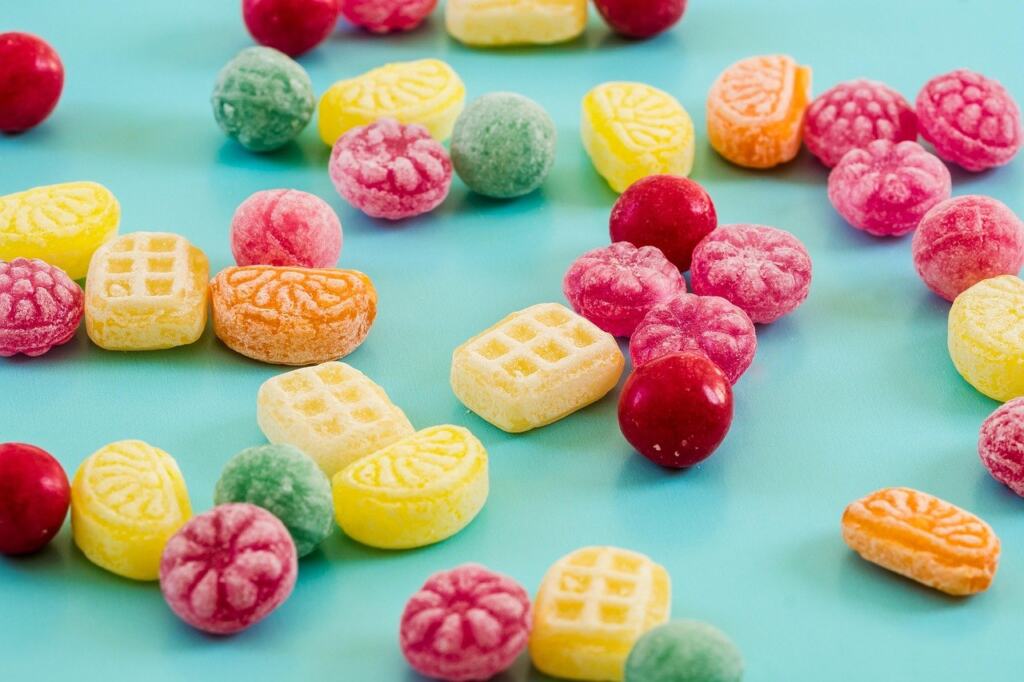
- Start with coated and frosted products. Coated candy, frosting and powdered sugar mixes are named categories.
- Scan the whole ingredient list. Dressings, sauces, creamers and flavored yogurts are easy to overlook.
- Look for both names. Titanium dioxide and E171 mean the same additive.
- Swap within the category. If a product lists it, compare a neighboring brand before giving up the food altogether.
Nanoparticles, the gut and the limits of the evidence
The mechanism behind the concern is particle size. According to the nutrition publisher’s account, the nanoparticle fraction in E171 falls between 1 and 100 nanometers. Particles that small are the focus of the gut-health and cell-level questions researchers keep raising.
Per the research summary, several animal studies show that high doses of titanium dioxide nanoparticles can cause inflammation in the gut. Some animal models also suggest potential DNA damage, though human evidence remains limited and debated, and human epidemiological and controlled dietary data are thin.
Some researchers argue that exposure from food is far below the doses used in animal studies. That is a reason to avoid reading the animal findings as a direct forecast for a shopper eating sweets or sauces. It is also why the sensible reading is a precaution rather than a verdict: the gap between animal doses and dietary exposure is argued over, and the human data needed to close it are missing.
Frequently asked questions
Is E171 the same thing as titanium dioxide?
Yes. E171 is the European name for the additive, while US labels list it as titanium dioxide.
Does titanium dioxide preserve food or add nutrition?
No. CSPI says it has no nutritive, preservative or food safety function, and Chemical Safety Facts describes its role as a color additive for a bright white appearance.
Is the claim that it is inert enough to settle the question?
Not by itself. Industry sources say it is inert at typical exposure levels, meaning it does not break down or react with the body in harmful ways. Against that, EFSA’s precautionary conclusion came from being unable to establish a safe threshold, and human data remain limited.