| Finding from the lab screening | What it tells you | Planning use |
|---|---|---|
| 4 of 17 products (24%) showed PFAS indications | A minority of the rolls screened, but not a rare one | Do not assume any roll is clear. Ask for evidence before paying a premium for a “PFAS-free” claim. |
| Organic fluorine, a PFAS marker, measured 10 to 35 parts per million (ppm) in the positive products | The result points to PFAS as a class. It is a screening signal, not a named compound | Ask brands whether their own testing used a comparable marker or a list of named compounds. |
| The 4 detectable products: 2 bamboo, 1 conventional wood pulp, 1 recycled paper | Detections appeared across fibre types | Do not choose on fibre type alone. |
| After the October 2022 update: 23 products, 22% with indications | A larger sample gave a similar rate | Treat the pattern as a reason to check, not as a one-off. |
| Direct health impact of using these products is unknown | No exposure effect has been quantified | Lower exposure where it is cheap and easy. There is no basis for alarm or stockpiling. |
Figures come from Mamavation’s toilet paper PFAS report, which used an EPA-certified lab.
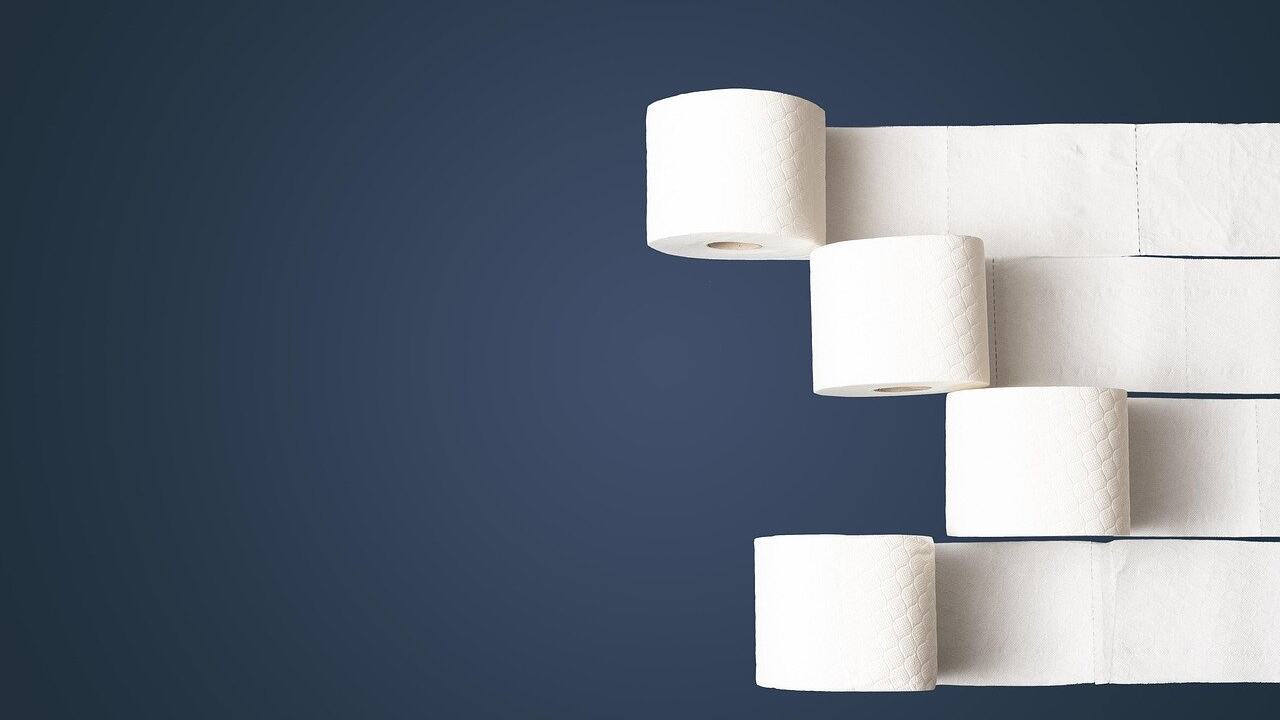
Buying PFAS free toilet paper is a reasonable goal, but a label alone does not guarantee it: in one lab screening, a quarter of the rolls tested showed PFAS indications, and brand claims need evidence behind them.
The same habits apply to any wellness purchase. Our guide to working out is this health product legit covers the general routine, and this article applies it to one everyday product.
What the lab results mean for your purchase
Mamavation bought toilet paper between October 2021 and June 2022 from Amazon.com, Instacart or Los Angeles retailers, then sent it to an EPA-certified lab. The report found PFAS indications in 4 of 17 products. After the October 2022 update, 22% of the 23 products sent to the lab came back with indications. Among the five brands with detections, three were made of bamboo.
So the answer to whether toilet paper contains PFAS is: some of the rolls screened did show indications, and the rest did not. That is a finding about those products, not about every roll on the shelf.
A snapshot, not a ranking
The authors describe their work as a spot-check of the industry and say they cannot make predictions about untested brands. They also warn that products and manufacturing aids can change without notice. A brand that tested clean in that window may have changed suppliers since, and a brand that showed indications may have fixed the problem. Use the results to decide what to ask, not to blacklist or crown a brand.
Contamination is the more likely route
The authors consider the PFAS more likely to be present because of manufacturing or packaging contamination somewhere in the supply chain than because anyone added it on purpose. In practice, a brand can honestly say it adds no PFAS and still sell a roll with indications. A useful claim therefore covers the finished product, not just the recipe.
The report also states that no one knows the direct impact of using toilet paper with indications of PFAS. That is a reason for proportionate caution, not alarm.
- Choose evidence over fibre type. Detections appeared in bamboo, wood pulp and recycled paper, so no category is a safe default.
- Favour brands that test the finished roll. Supply-chain contamination is invisible in an ingredient list.
- Switch when convenient. With the health effect unknown, replacing a roll at your next purchase is enough. Throwing out what you own is not justified by anything in the report.
Recycled paper and certification labels
Recycled paper is a legitimate concern, but the evidence is narrow. In the screening, one of the four detectable products was made from recycled paper, so the data show recycled rolls can carry indications and no more. One sample does not show that recycled content is riskier than virgin fibre.
The practical issue is traceability. The authors point out that with processed-chlorine-free labelling, the origin and bleaching history of the pulp is hard to verify, and that for virgin papers it is impossible to know whether elemental chlorine was used. A recycled roll’s pulp may come from mixed sources, so the label tells you little about what that fibre went through before. If you prefer recycled rolls for environmental reasons, ask for finished-product test data rather than relying on the recycled claim.
Sustainability marks add a second layer of confusion. A Forest Stewardship Council definition shown on a retail listing describes certified material as coming from well-managed forests, recycled materials and/or other controlled wood sources. That describes where fibre comes from. Treat it as a sourcing signal and look elsewhere for chemical testing.
How to verify a PFAS-free claim
A trustworthy claim can be checked. Work through these points before paying extra for a PFAS-free roll.
- Ask for the lab report. A named laboratory and a dated report carry weight that a pack icon does not. The screening above used an EPA-certified lab, which is a reasonable bar to look for.
- Find out what was measured. The screening used organic fluorine as a marker for PFAS. A brand might instead test for a list of named compounds. Both can be informative, but you should know which one the claim rests on.
- Check the date and the product. Because products and manufacturing aids can change without notice, a report from an earlier production run only partly supports today’s roll. Ask whether the result applies to the current product and how often it is retested.
- Confirm the scope. Ask whether testing covered the finished, packaged roll or only the pulp. Contamination can happen at manufacturing or packaging stages.
- Keep certifications in their lane. A sourcing or forestry mark answers a different question from a chemical test.
Red flags and disclosure to expect from brands
How a brand answers questions is often more telling than the claim itself. The report modelled one approach: it states that it contains affiliate links, some to Amazon, and that donations came from Environmental Health News and Mamavation community members. A brand or tester that explains who pays for what lets you weigh the results sensibly.
- Vague wording. Terms such as “clean” or “non-toxic” with no test named give you nothing to verify.
- Internal testing only. A result with no laboratory, method or date cannot be checked.
- Refusal to share documents. If a brand will not release test data, treat the claim as marketing.
- Undisclosed relationships. Reviews, rankings and test results should say whether the publisher earns commission or receives funding.
- One claim doing all the work. A roll that is “eco” or “sustainable” has not necessarily been tested for PFAS.
Related product safety checks
The same gap between label and evidence shows up elsewhere. Personal care is one example, as in Phthalate‑Free Shampoo: How To Choose Safer, Healthier Hair Care In 2026 – Testpledge. Pantry goods are another, as in Is There Lead In Cinnamon? What Consumers Need To Know In 2026 – Testpledge.
Frequently asked questions
Is bamboo toilet paper a safe way to avoid PFAS?
Not on its own. Bamboo accounted for three of the five brands with detections in the expanded screening, so a bamboo label is no guarantee. Judge any roll by its testing evidence.
Is the Mamavation study commercially linked?
The report discloses affiliate links, some to Amazon, and says donations came from Environmental Health News and Mamavation community members. These disclosures let readers judge the context of the results.
Should I stop using the toilet paper I already have?
Nothing in the report supports that step, since it states the direct impact is unknown. If you want to lower exposure, choose a documented option when you next buy.