bpa free meaning refers to labels that claim a product lacks bisphenol A. This explanation helps people read labels and make safer choices. It shows what manufacturers test for and what gaps may remain. The guide uses clear facts and direct steps. Readers will learn what BPA is, why it matters, and how to choose safer products.
Key Takeaways
- “BPA free” means a product does not contain bisphenol A, a chemical linked to hormone disruption and health concerns.
- Manufacturers often replace BPA with similar chemicals like BPS or BPF, which may also pose risks, so “BPA free” does not guarantee full safety.
- Choosing products made from glass, stainless steel, or ceramic can reduce exposure to BPA and its alternatives.
- Look for products with transparent labeling, independent lab testing, and certifications to ensure they are truly free of bisphenols.
- Avoid heating food in plastic containers and limit handling thermal paper receipts to minimize BPA exposure.
- Consumers should prefer fresh or frozen foods over canned goods to lower contact with BPA and related chemicals.
What Is BPA? A Quick Science Primer
BPA stands for bisphenol A. Scientists make BPA for hard plastics and resins. Industry uses BPA in polycarbonate bottles, epoxy can coatings, and thermal paper receipts. People absorb BPA when food contacts plastic or when they touch coated paper and then touch their mouth. The chemical can act like the hormone estrogen in the body. Researchers measure BPA in urine to estimate exposure. Governments set limits for BPA in food contact uses. Some countries ban BPA in baby bottles and infant products.
What “BPA‑Free” Means On Labels
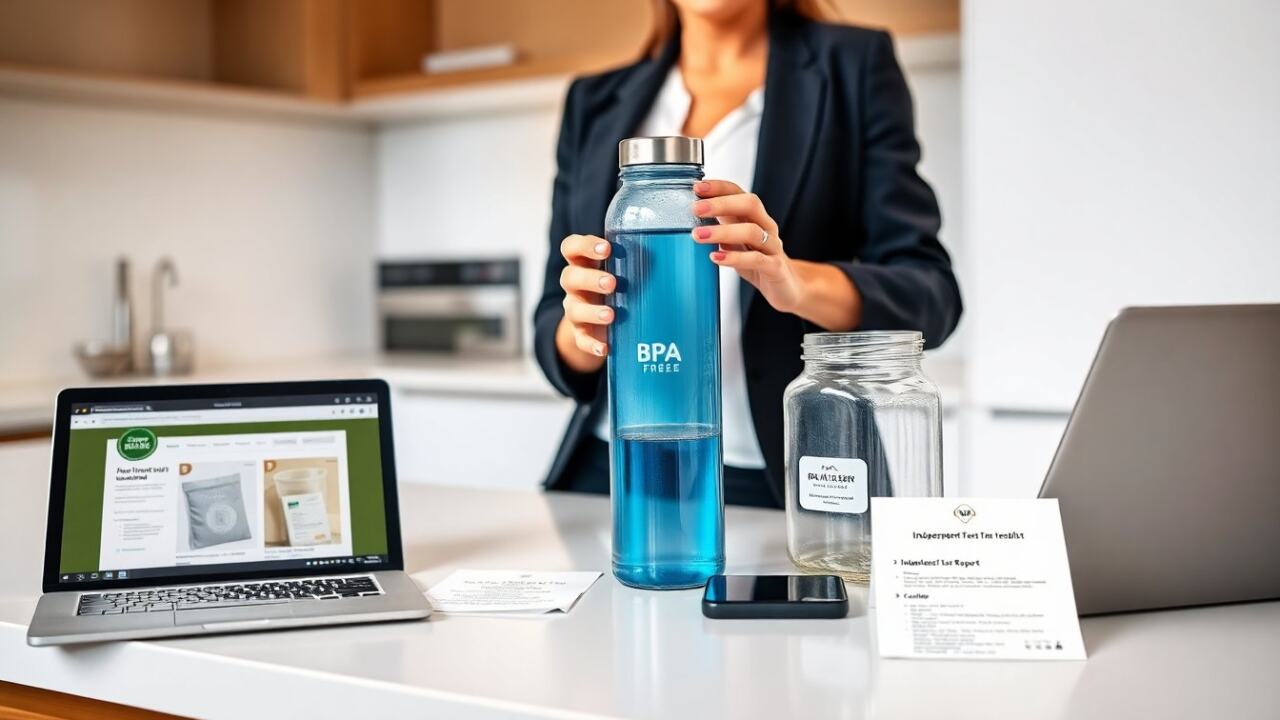
A “BPA‑free” label means the maker did not use bisphenol A in that product or component. The claim covers the specific item being sold, not necessarily packaging or parts sold separately. Third‑party testing sometimes verifies claims. But, the term has no single global standard. Regulators vary in how they enforce claims. Consumers should read product details and look for lab test reports or certifications when they want stronger assurance.
How Manufacturers Replace BPA (And What They Use Instead)
Manufacturers replace BPA with similar chemicals called bisphenol S (BPS) or bisphenol F (BPF). They also use non‑bisphenol plastics like polypropylene and polyethylene. Some makers choose glass, stainless steel, or ceramic. Replacement chemicals sometimes mimic BPA’s hormone activity. Studies show BPS and BPF can act like hormones in lab tests. Replacements can reduce one risk while introducing another. Buyers should check for independent testing that screens for multiple bisphenols.
Health Concerns Linked To BPA Exposure
Scientists link BPA exposure to effects on the brain, reproduction, and metabolism in some studies. Researchers find associations between BPA and changes in child development, hormone levels, and insulin response. Most human studies show correlations, not direct cause. Animal studies show stronger effects at higher doses. Regulators review new studies and adjust guidance over time. People who want to reduce exposure focus on avoiding heated plastic, canned foods, and handling receipts. Those choices lower contact with BPA and similar chemicals.
How To Choose Truly BPA‑Free Products
Buyers check labels and product pages for lab reports or certifications. They choose products that list materials, such as glass or stainless steel, rather than only claiming “BPA‑free.” They favor brands that publish independent test results for bisphenols. They avoid plastics marked with recycling code 7 unless the maker explains the polymer. They replace canned foods with fresh or frozen options when possible. They wash hands after handling receipts and limit microwave use of plastic containers. These steps lower the chance of exposure.
When “BPA‑Free” Might Not Be Safer And Safer Alternatives To Consider
A “BPA‑free” product may still contain BPS, BPF, or other related chemicals. Those chemicals can show hormone activity in lab tests. To reduce risk, people choose glass, stainless steel, or ceramic for food and drink. They pick products that state they are free of multiple bisphenols or that show testing by an accredited lab. They buy from brands that describe their material sourcing and testing methods. These choices reduce the chance of replacing one concern with another.