Standing in the oil aisle with a list of seed oils to avoid in hand? Seed oils are not inherently good or bad. The bigger concern is how often they appear in fried, processed and packaged foods.
This guide fits within Testpledge’s wider healthy eating guidelines. Instead of a blanket ban, it helps you judge each oil by how it is made, how you cook with it and the foods it ends up in.
What counts as a seed oil
Seed oils are cooking oils that come from seeds, according to WebMD’s medically reviewed explainer. Canola, sunflower and sesame oil are all treated as seed oils there, and soybean oil is another one that regularly turns up in ingredient lists. Olive oil is not on that list. It comes from fruit, and WebMD notes that it is pressed at cold temperatures.
That distinction matters because much of the online advice lumps every plant oil into one group. In practice the oils differ in fat profile and heat behaviour, and they are processed in different ways. A single avoid list therefore hides more than it reveals.
Popular claims set against the evidence
Most arguments for avoiding seed oils rest on a handful of claims. The table below sets each claim next to what the supplied evidence supports, with a practical reading of what to do about it.
| Popular claim | What the evidence says | Planning use |
|---|---|---|
| Seed oils are harmful in themselves | On their own they are not particularly good or bad. The trouble is that they are often used in fried, processed or packaged foods, which tend to be high in fat, sugar and sodium. | Judge the food the oil is in, not just the oil. Start by trimming fried and packaged items. |
| Linoleic acid drives inflammation | Some scientists think an imbalance between types of polyunsaturated fat may lead to inflammation. That is a hypothesis, and a dietitian quoted by WebMD says the inflammation involved is so low it is not noticeable. | Do not treat linoleic acid as an emergency. Varying the fats you eat is a sensible balance move. |
| Polyunsaturated oils are worse than butter or lard | A dietitian quoted by WebMD says there is no question that a polyunsaturated fat is better for you than those animal fats. | Swapping a seed oil for butter or lard is not an automatic upgrade. |
| Canola oil is a bad fat | Canola is relatively low in saturated fat, which can raise cholesterol. It has plenty of polyunsaturated fats such as omega-6, which WebMD says boost heart health. | Canola is a reasonable everyday option when it is not part of heavily processed foods. |
| Refining leaves chemical residue | Many seed oils go through bleaching and refining, and some nutrients are lost. How much hexane trace, if any, is left in the oil is unclear. | Treat refining as a quality trade-off, not proof of toxicity. |
These points are drawn from WebMD’s seed oil explainer, which includes comments from registered dietitians.
Omega-6 and inflammation
Seed oils are high in the fatty acid linoleic acid, as one cooking-oil guide describes. The worry is the ratio. WebMD reports that some scientists think an imbalance between types of polyunsaturated fat could encourage inflammation. Dietitian Kathleen Zelman, quoted in the same article, says the amount of inflammation this causes is so low that it is not noticeable.
The practical reading is that linoleic acid is a nutrient to keep in proportion, not a poison to eliminate. If the balance worries you, the useful step is varying the fats you eat, not dropping every plant oil.
Processing and refining
The stronger argument against some seed oils is how they are made. Many go through extra steps such as bleaching and refining, which costs them some nutrients. Whether any hexane remains afterwards is not established, so claims about a specific residue level go further than the evidence does. If you want less processed oil, choose products that say how they were pressed, but do not assume a refined oil is dangerous.
Where seed oils actually cause trouble
The pattern behind most of the concern is the food, not the bottle. Seed oils are common in fried, processed and packaged items, and those foods are often high in fat, sugar and sodium. A bag of chips and a handful of walnuts both contain plant fats, but they do very different things to a diet.
- Fried foods: Frequent fried meals add up, and the oil is only part of the reason. The portion size and the salt that comes with it matter as well.
- Packaged snacks and ready meals: These are where seed oils sit alongside added sugar and sodium. Cutting back here changes more of your diet than switching the oil in your own pan.
- Home cooking: A modest amount of canola, sunflower or soybean oil in a home-cooked meal is a very different exposure from a diet built on packaged foods.
If you want a short working list, begin with the oils you meet most often: canola, soybean and sunflower oil. Then ask where you actually consume them. For most people the answer points to takeaway food and snack aisles, not the kitchen cupboard.
Choosing oils for high-heat cooking
Heat tolerance is the one place where oils differ in a way that changes what you should buy. WebMD describes the contrast qualitatively, so the guidance below is about which oils suit which job.
- Sunflower oil for deep frying: WebMD says sunflower oil has a very high smoke point, which makes it great for deep frying, and recommends high-oleic versions. This suits anyone who fries at home often.
- Sesame oil for gentle heat: Sesame oil has a low smoke point, so it is better for low-heat cooking such as light sauteing. Keep it away from searing and frying.
- Olive oil for everyday dishes: Olive oil comes from fruit and is cold-pressed, which makes it a natural choice for dressings and fresh dishes. Check the specific bottle before using it for demanding frying.
The decision rule is simple. Match the oil to the heat of the job, and use the heat-tolerant option when you fry. Using a delicate oil for frying is a bigger practical mistake than choosing a particular seed oil.
Reading labels for hidden seed oils
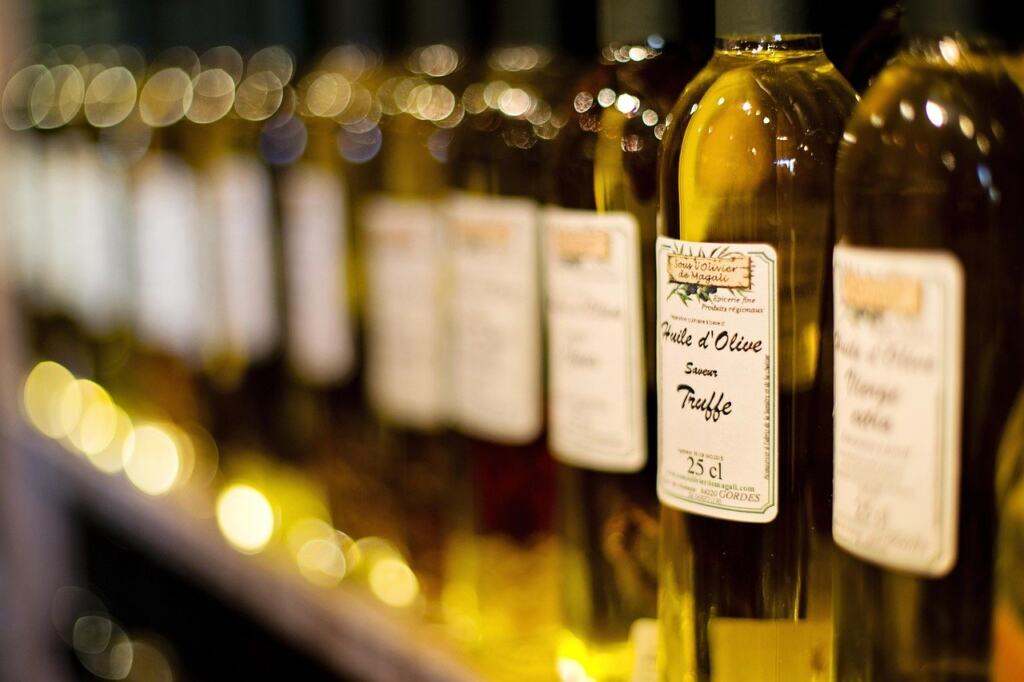
Labels are where the avoid-seed-oils question becomes concrete. Label-reading guidance makes two points worth acting on. Broad terms such as vegetable oil can refer to one oil or a blend. Products can also mention olive oil on the front while listing canola, soybean or sunflower oil in the ingredients.
The ingredient list tells you what a food is actually made with, so it outranks the front of the pack. If you are trying to cut back, scan for canola, soybean and sunflower oil and treat a plain vegetable oil entry as a blend you cannot identify.
Oils are only one part of what to check on a label. For ingredients beyond fats, Hidden Harm: 7 Food Additives To Avoid And Healthier Swaps For 2026 – Testpledge covers additives, and What American Foods Are Banned In Europe? 7 Controversial Ingredients And Products To Know In 2026 – Testpledge looks at other ingredients that draw controversy.
Practical swaps that make sense
You do not need to empty the cupboard. A few targeted changes cover most of the benefit, and they work whatever your view of seed oils.
- Start with packaged foods. Reduce fried and packaged items first, since that is where seed oils come bundled with extra sugar and sodium.
- Use olive oil where flavour is part of the dish. Dressings, vegetables and fresh dishes suit a fruit-pressed oil.
- Keep a heat-tolerant oil for frying. High-oleic sunflower oil is the option WebMD recommends for deep frying.
- Reserve sesame oil for gentle cooking. Its low smoke point makes it better for light sauteing than frying.
- Do not trade down to animal fats on principle. A dietitian quoted by WebMD says polyunsaturated fat is better for you than butter or lard.
If you eat mostly home-cooked food, you probably have little to fix. If your diet leans on takeaway and snacks, the oil in the pan is a smaller issue than what is in the bag.
Frequently asked questions
| Question | Answer |
|---|---|
| Is olive oil a seed oil? | No. WebMD notes that olive oil comes from fruit, not seeds, and that it is pressed at cold temperatures. |
| Does canola oil belong on an avoid list? | Not on the evidence supplied. Canola is relatively low in saturated fat and rich in polyunsaturated fats such as omega-6, which WebMD says support heart health. |
| Is there hexane in refined seed oil? | It is not clear how much trace of hexane, if any, is left in the oil. Treat claims of a specific amount with caution. |
| Can a product with olive oil on the front still contain seed oils? | Yes. Products can mention olive oil on the front while listing canola, soybean or sunflower oil in the ingredients, so check the ingredient list. |
| Which seed oil suits deep frying? | WebMD points to sunflower oil, which has a very high smoke point, and recommends high-oleic versions. |