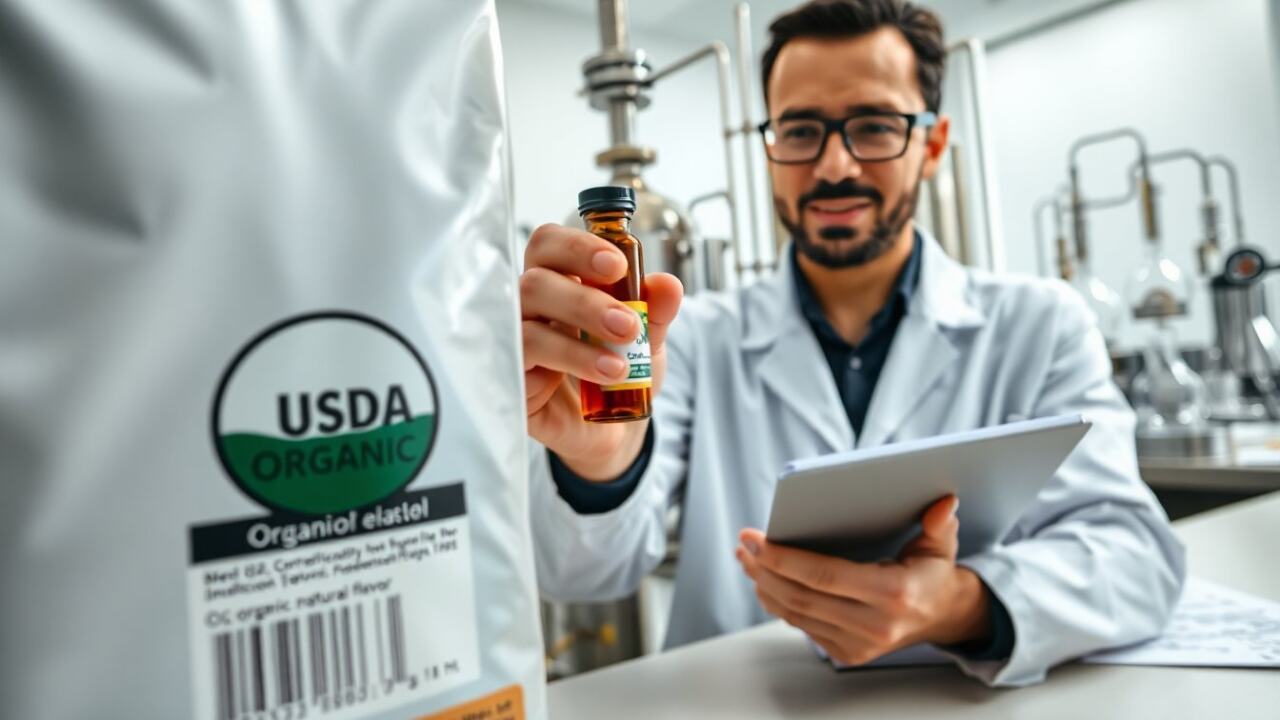
what are organic natural flavors is a question consumers ask when they read a food label. The phrase refers to flavor ingredients that meet organic rules and come from natural sources. This article explains the regulatory meaning, how producers make these flavors, and what consumers should watch for in 2026. The tone stays clear and direct. The article uses facts and simple examples.
Key Takeaways
- Organic natural flavors are derived from natural sources and must meet USDA organic certification standards alongside FDA natural flavor definitions.
- Producers obtain organic natural flavors through methods like steam distillation, cold pressing, and CO2 extraction, ensuring organic sources and processing comply with regulations.
- Labels with “organic natural flavor” indicate the flavor meets organic standards but may still contain additives; consumers should look for the USDA organic seal for assurance.
- Carriers and processing aids used in organic natural flavors must also meet organic criteria to carry the organic label.
- Consumers with allergies should review ingredient panels carefully and seek manufacturer information due to potential allergen risks in flavor ingredients.
- Choosing products with transparent ingredient listings, like single-ingredient organic extracts, offers greater confidence in flavor purity and safety.
What “Organic” And “Natural Flavor” Mean Under U.S. Regulations
The USDA and FDA set different rules. The USDA certifies organic foods. The FDA defines “natural flavor.” The FDA says natural flavor comes from plant or animal sources and is used to give flavor, not nutrition. The USDA certifies that organic ingredients meet organic farming and handling rules. A flavor can be “natural” and still not be organic. A flavor can be organic and still require processing steps.
Under USDA organic rules, a product labeled as “organic” or carrying the USDA organic seal must meet specific requirements across the supply chain, including certified organic farms, certified handling facilities, and recordkeeping that documents organic integrity from field to finished product. The FDA’s definition of “natural flavor” focuses on source material and intended use (flavoring rather than nutrition) and does not equate to organic. When both terms appear together — for example, “organic natural flavor” — it means the flavoring material is derived from a natural source and the organic program has certified the ingredient and handling as meeting organic standards.
Regulatory nuances to know: the FDA requires that flavors be listed on ingredient panels as “natural flavor” or “artificial flavor” (or similar wording), but it does not require disclosure of the specific components that make up a flavor. The USDA requires that any ingredient labeled organic be traceable and meet organic handling standards. This can create situations where a product uses “organic natural flavor” but other non-organic ingredients are present in the finished food. Consumers should read both the ingredient list and any organic certification statements (e.g., “100% organic,” “organic,” or “made with organic ingredients”) to understand how much of the product is covered by organic rules.
How Organic Natural Flavors Are Made: Sources, Extraction Methods, And Processing Steps
Producers start with a source. They pick fruits, herbs, spices, or animal products that meet organic standards. They harvest organic raw material. They then extract flavor compounds. Common extraction methods include steam distillation, cold pressing, solvent extraction, and CO2 extraction. Steam distillation suits aromatic plants. Cold pressing suits citrus peels. CO2 extraction yields high-purity extracts without solvent residues.
The path from raw material to finished flavor involves several steps that affect both flavor quality and the ability to label the ingredient as organic. After harvesting, organic material must be handled in certified facilities that prevent contamination with prohibited substances. Extraction can be done with water, organic ethanol, carbon dioxide, or, less commonly, food-grade solvents; when a flavor is marketed as organic, any solvent or processing aid that remains in the final ingredient or that is required by organic standards must comply with organic rules or be approved for use in organic processing.
Processors refine extracts. They may concentrate, fractionate, and blend extracts to reach a consistent flavor profile. They use food-grade carriers, such as vegetable glycerin or maltodextrin, to stabilize liquid or powdered flavors. Organic certification requires that carriers also meet organic rules when they bear the organic label. Producers test batches for contaminants, pesticides, and solvent residues. They keep records that trace extracts back to certified farms.
Producers may use fermentation to create flavor molecules. Fermentation can yield organic-approved compounds when the feedstock is organic. Producers may also perform enzymatic reactions to free flavor molecules from plant tissues. The overall goal is to create a stable flavor ingredient that meets sensory and safety standards while following organic rules. Practical examples include organic vanilla extract (made by macerating organic vanilla beans in organic ethanol and water) and organic citrus oil obtained by cold pressing organic peel. Blends of organic natural flavors are often carefully formulated to ensure consistent taste across seasons and harvests while preserving the organic label where applicable.
Common Additives, Processing Aids, And Labeling Terms To Know
Carriers help stabilize flavors. Common carriers include glycerin, propylene glycol, and maltodextrin. Only carriers that meet organic rules can carry an organic label. Processing aids assist extraction and separation. Examples include ethanol and food-grade water. Producers may use ethanol to extract flavors: ethanol must be organic for the flavor to qualify as organic.
Emulsifiers help mix flavors into water-based foods. Lecithin and mono- and diglycerides appear in some flavor systems. Some emulsifiers qualify as organic. Other ingredients can appear in small amounts. For example, antioxidants such as tocopherols may preserve flavor. The term “natural flavor” on a label hides formula details. The term “organic natural flavor” indicates that the flavor ingredients meet organic standards, but it does not reveal all additives. Consumers should look for the USDA organic seal and the ingredient panel for clarity.
Labeling terms to watch for include “organic flavor,” “organic natural flavor,” and phrases such as “made with organic ingredients.” “100% organic” means all ingredients are organic. “Organic” (without the 100% qualifier) means at least 95% of ingredients are organic, while “made with organic ingredients” covers products with at least 70% organic ingredients — flavor components may or may not be included in those calculations depending on how the manufacturer lists them. Because flavor formulas are often proprietary, ask manufacturers whether carriers, processing aids, or minor components in a flavor are organic if that detail matters to you.
Health, Safety, And Allergen Considerations For Consumers
Consumers should check ingredient panels for allergen declarations. Flavors can come from common allergens such as dairy, soy, or wheat. Manufacturers must declare major allergens when used as ingredients. Cross-contact risk exists when processors handle multiple raw materials. Consumers with severe allergies should contact manufacturers for detailed processing information.
Some consumers worry about solvent residues and contaminants. Reputable manufacturers test for solvents and heavy metals. Organic certification adds a layer of oversight but does not guarantee absence of all contaminants. Third-party testing results can offer more assurance. People who prefer fewer additives should choose products that list single-ingredient extracts, such as “organic vanilla extract,” rather than the general term “organic natural flavor.”
Practical steps for consumers concerned about safety and transparency:
- Look for the USDA organic seal when you want confirmed organic sourcing and handling.
- Prefer single-ingredient organic extracts or oils when you want minimal processing and clearer provenance.
- Contact brands for full ingredient breakdowns and ask specifically about carriers, solvents, and allergen cross-contact procedures.
- For severe allergies, request statements about dedicated lines or cleaning protocols; a label alone may not provide sufficient detail.
- Store products as recommended to preserve flavor and reduce spoilage; many liquid and powdered flavors are stable when kept cool and dry, but specific storage instructions vary by product.
The term what are organic natural flavors appears often on consumer lists. Consumers should know that the term points to a flavor made from organic source materials and processed under organic rules. Consumers who want full transparency should favor products with full ingredient disclosure and contact brands when in doubt.