| Result type | What it can show | Planning use |
|---|---|---|
| Chemical assay (in vitro), such as TEAC | How a compound behaves in a standardized chemical reaction. These reactions probably do not reflect cellular physiological conditions. | Treat it as a screening signal. It is not evidence of an effect in the body. |
| Cell culture (in vitro) | Interactions between molecules or nutrients and cellular structures or metabolic pathways, with more control over external variables and less cost and complexity. | Use it for questions about how an ingredient might act. Ask what the cells were exposed to. |
| Ex vivo tissue or cell system | Response of tissue or organ structure kept intact outside the organism, with more physiologically relevant insight than in vitro studies. | Give it more weight than a dish result, but it is still a laboratory model rather than a person. |
The figures above come from an NIH-hosted PMC study comparing a chemical antioxidant assay with an ex vivo erythrocyte assay and from Biobide’s ex vivo and in vitro comparison.
Ex vivo vs in vitro comes down to setting: ex vivo work uses tissue or organs taken from a living organism with structure intact, while in vitro work typically uses isolated cells or chemical systems. Neither shows human benefit on its own.
The sections below start with what each result type means for a product claim, then explain how the methods work. For the wider checklist, see how to tell if a health study is reliable.
What lab results mean for a product claim
Lab results cannot predict human benefit by themselves. They describe what happened in a reaction vessel, a dish or a tissue sample, not what happens after a person takes a product. The PMC study above shows why. It compared a well-standardized in vitro chemical method (TEAC) with an ex vivo biological assay on botanical extracts, and it found a low correlation between the antioxidant capacities the two methods measured. A product that scores well in one assay cannot be assumed to score well in the other.
Antioxidant claims as the typical case
Antioxidant marketing is a clear example because the research literature links antioxidant-rich foods and food supplements to preventing the effects of oxidative stress. The study tested that link in the lab. Its ex vivo system used erythrocyte membranes from healthy volunteers. The endpoint was prevention of membrane lipid peroxidation under oxidative stress from UV-B radiation. A claim that an ingredient “protects cells from oxidative damage” may therefore rest on one narrow model, and that model says nothing about health outcomes.
The same study found that whole food matrices were more effective than pure phytochemicals at preventing oxidative damage at the biological level. The pure compounds had shown higher chemical antioxidant activity. A big chemical number for an isolated ingredient can therefore point the opposite way from the biological result. That matters when a label promotes one concentrated compound on the strength of a test-tube score.
Reading claim wording
Marketing rarely names the test system. These habits help you judge a lab-based claim:
- Find the setting behind the phrase. “High antioxidant capacity” often points to a chemical assay. “Protects cells” points to a cell or tissue model. “A lab study found” tells you nothing about which system was used, so look for the study itself.
- Match the endpoint to the promise. Reduced membrane peroxidation under UV-B in red blood cell membranes is a narrow measurement. It does not support a broad health promise.
- Watch for ingredient swaps. A result for an isolated compound does not carry over to a whole-food product, or the reverse, given the matrix difference above.
- Read lab results as a starting point. In vitro models give researchers an early starting point for insight into how cells respond to a new substance. They are not a finish line.
- Prefer claims backed by later evidence. Wait for results in living organisms and people before treating a benefit as established.
How ex vivo and in vitro setups work
In vitro: glassware, cells and chemistry
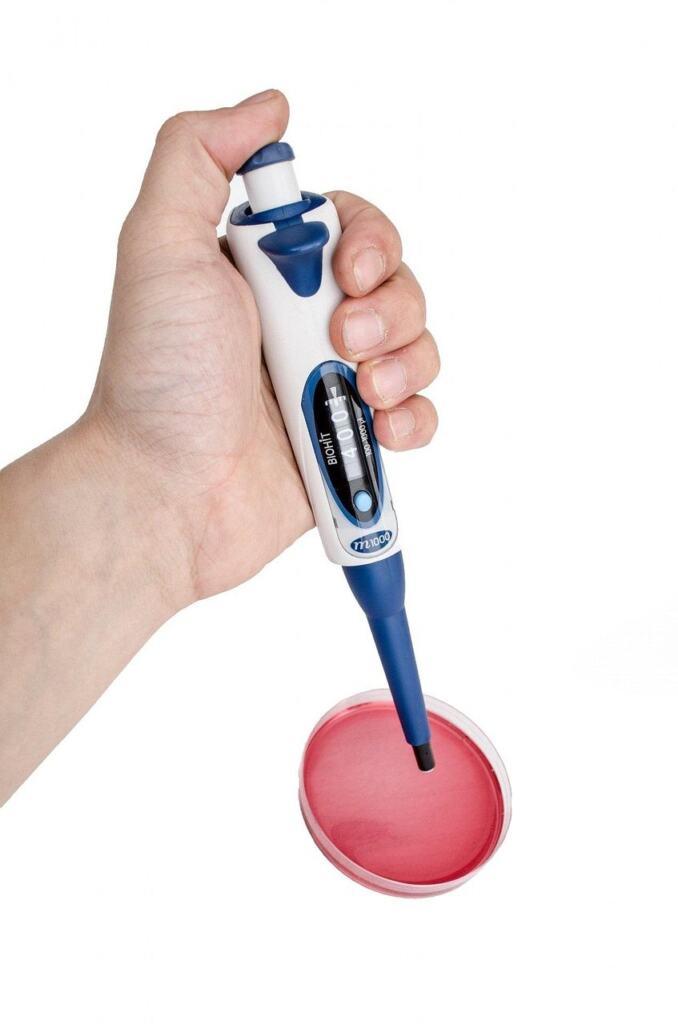
In vitro describes work done in glass, such as a test tube or petri dish, according to a life-science methods explainer. Cell culture is the best-known form. Cultured cells let researchers study how molecules and nutrients interact with cellular structures or metabolic pathways. Because the system is simpler, researchers have more control over external variables and costs are lower. That makes in vitro work well suited to early questions about mechanism.
The tradeoff is distance from the body. A chemical assay is based on well-known reactions, but as the PMC authors note, those reactions probably do not reflect cellular physiological conditions. A dish result is clean and repeatable, yet it leaves out most of what a body does.
Ex vivo: real tissue outside the body
Ex vivo experiments use tissues or organs extracted from a living organism and studied in a laboratory with minimal alteration of natural conditions, as a cosmetics testing laboratory describes. The key difference is that organ or tissue structure stays intact, whereas in vitro experiments typically use isolated cells. That structure is why ex vivo methods offer more physiologically relevant insight into the whole organism. The erythrocyte membrane assay in the PMC study is an ex vivo example, because the material came from healthy volunteers and was tested in the lab.

Terms overlap in practice. Some sources count any cells or tissues removed from an organism as in vitro, while others reserve in vitro for isolated cells and use ex vivo for intact tissue. When a product page uses either word, ask which material was used and how it was handled.
Where animal and human evidence comes in
Dish and tissue models sit early in a sequence. Before a drug candidate is tested in human subjects, it must undergo animal testing to evaluate toxicity, metabolism and efficacy. A claim resting only on in vitro or ex vivo work is therefore early-stage evidence. In vivo means work inside a living organism, and mice are the most used vertebrate species in preclinical studies. Such work needs institutional animal care and use committee approval, which is one reason it is slower and costlier than a dish assay.
Human evidence comes later and answers different questions. The 4 Phases Of Clinical Trials: How New Treatments Move From Lab To Clinic (What To Expect In 2026) – Testpledge explains how treatments move from the lab into people. Study designs that analyse human data, such as the one in What Is a Retrospective Cohort Study? A Practical Guide for Clinicians and Researchers (2026) – Testpledge, show the kind of evidence a lab result cannot replace.
Choosing between ex vivo and in vitro methods
The right method depends on the question being asked. These pairings follow from the differences above:
- Choose in vitro for mechanism and control. It suits questions about how a molecule interacts with cellular pathways, and it is the more practical option when budget and simplicity matter.
- Choose ex vivo when structure matters. Intact tissue gives a more physiologically relevant picture, so it suits questions about how a substance behaves in a tissue rather than in separated cells.
- Combine them when possible. Skin explants do not fully replace in vitro models. They complement each other, and agreement between the two is more convincing than a single result.
- Be cautious with a single assay. Given the low correlation reported between a chemical assay and an ex vivo assay, one favourable number is a weak basis for a product claim.
Frequently asked questions
What does in vitro literally mean?
In vitro translates from Latin as “in glass”, a reference to the glassware used in early lab work. The cosmetics testing laboratory’s explainer gives this translation.
How long can ex vivo skin tissue be used?
Skin explants are used within a period of 10 to 14 days, depending on culture conditions, according to the same laboratory.
Why do ex vivo results vary between samples?
Variability is mainly related to the interindividual differences of the donors the explants come from. Many properties of a donated sample are not controlled, so a small tissue study reflects the donors it happened to use.
Can ex vivo tissue be genetically engineered like cell lines?
Not to the same degree. Extensive targeted genetic engineering is not yet possible in ex vivo explants, whereas isolated cell systems offer much more room for it. That is one reason mechanistic work often stays in vitro.