| Situation | What changes | Planning use |
|---|---|---|
| Printed expiration date | FDA does not require expiry dates on vitamin or mineral supplements. Companies that add one can only do so when valid data support it. | Read the date as the maker’s supported estimate of quality, not a safety cutoff. |
| Standard vitamin tablets | Potency declines gradually. The typical shelf life cited for vitamins is two years. | Use older bottles first. Replace them after the date if an exact dose matters to you. |
| Gummies and chewables | They absorb more moisture than tablets. | Keep the lid tight and bin them once they look clumped or sticky. |
| Vitamin C, vitamin K and vitamin B1 | May break down more quickly than other vitamins. | Replace these sooner than a basic multivitamin. |
| Probiotics | Some are best kept in the fridge, while others should not be refrigerated. | Follow the label’s storage line exactly. |
| Fish oil | Less stable at room temperature. Refrigeration can extend the shelf life of less stable products. | Check the smell before every new bottle and watch the date closely. |
| Odd smell, colour change, mould or dampness | Signs the product has spoiled, whatever the date says. | Discard it. |
The table draws on Healthline’s explainer on whether vitamins expire and Medical News Today’s article on vitamin expiry.
Do supplements expire? Not in the sense of turning unsafe on a set day: potency declines gradually, and a printed date is the maker’s quality estimate. Expired vitamins are highly unlikely to cause harm, but spoiled-looking products should go.
The decision depends on product type, storage and appearance, so the sections below sort bottles into keep, replace and discard. If you are still choosing what to buy, our guide on how to choose a safe supplement covers what to look for before a bottle ever reaches your cabinet.
What to keep, replace or discard
Sort an old bottle by what it contains and how it has been stored. Age alone is a weak signal.
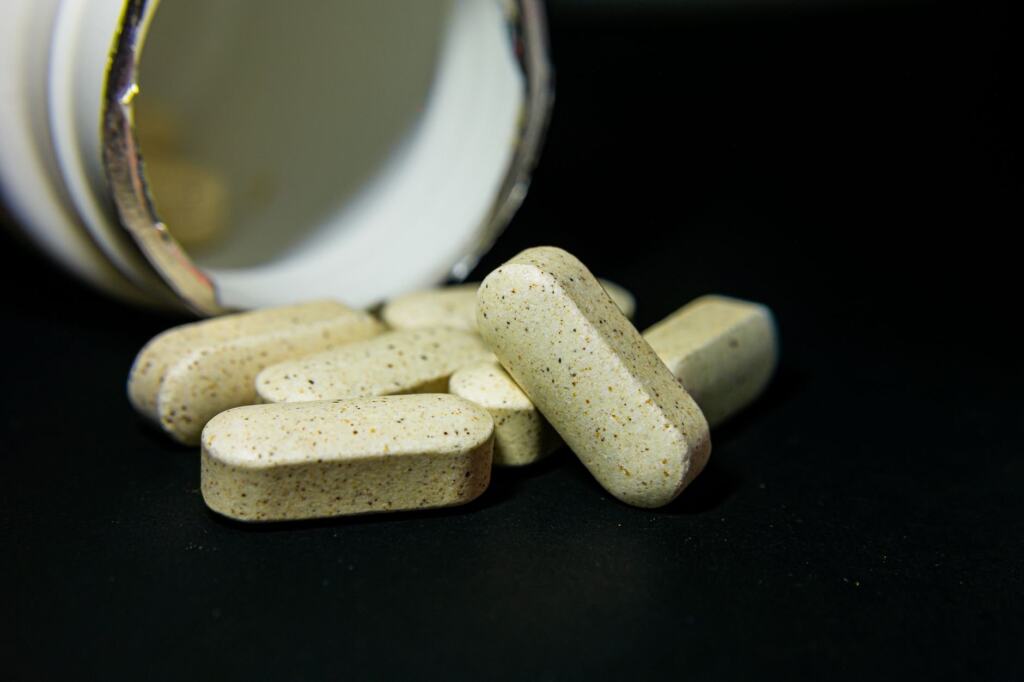
- Keep and use up: Vitamin tablets and capsules that have stayed in their original container in a cool, dry place can reasonably be finished. Healthline notes that taking an expired vitamin or supplement is highly unlikely to cause harm. The realistic cost is a weaker dose.
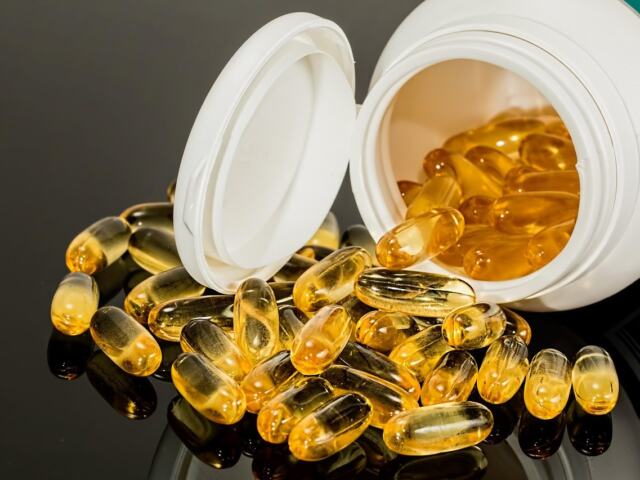
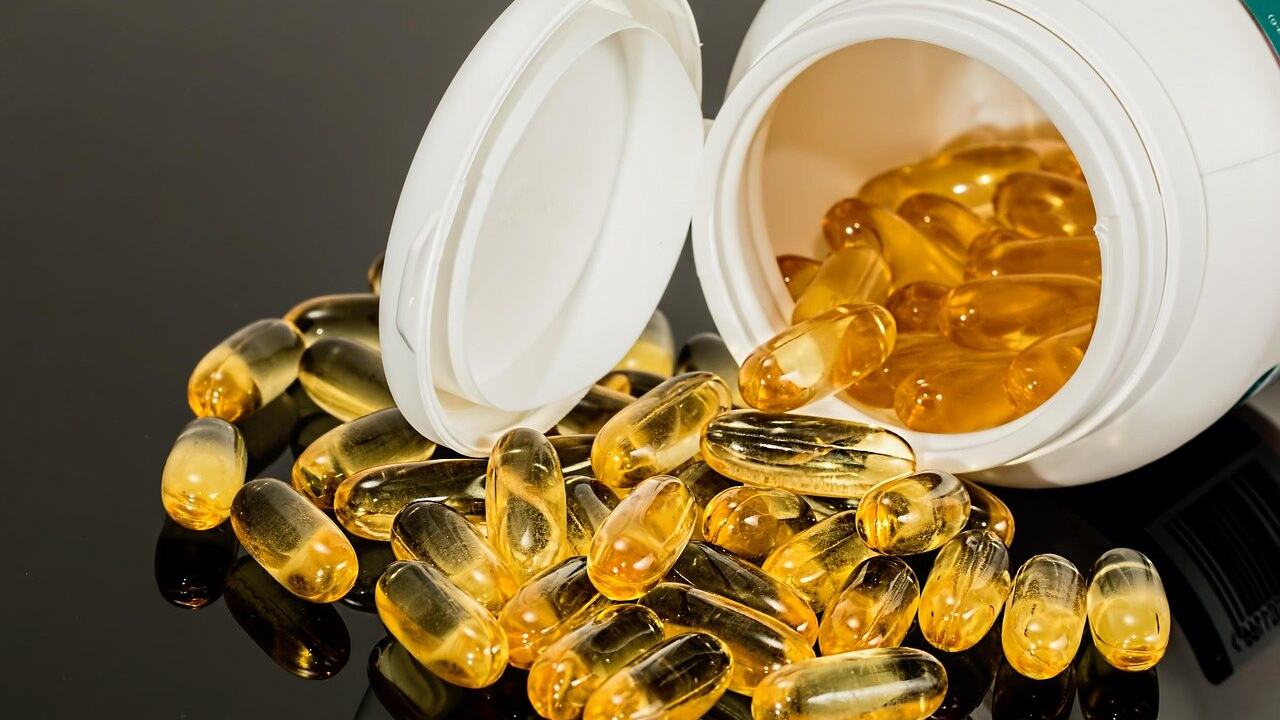
- Replace sooner: Probiotics, fish oil, gummies and vitamin C products lose quality faster. A supplement-safety guide from Superpower says probiotic cultures lose viability and fish oil oxidizes and turns rancid. If you rely on a specific dose, replace these on schedule.
- Discard now: Healthline advises against taking a vitamin that has an unusual odor or has changed colour. Medical News Today adds that vitamins that look mouldy or damp, or smell unusual, should be disposed of immediately. Sticky or discoloured fish oil softgels and clumped powders belong in this group too.
A bottle that passes the sight and smell check but is past its date sits between keep and discard. If a small dose difference does not matter, finish it. If you are taking it for a specific reason, replace it.

Shelf life by supplement type
Typical figures are guides, not guarantees. Healthline puts the typical shelf life for vitamins at two years, while BodyBio gives an average of 1-2 years for a vitamin or supplement. Medical News Today explains that the rate of potency loss depends on the form of the supplement, so the type of product matters as much as the calendar.
Vitamins and minerals
Vitamins do not spoil like food, but their potency decreases over time. An older bottle of ordinary tablets is therefore a dosing question more than a safety one. Storage matters more than most people expect, because a tablet kept dry and cool holds up better than one left in a humid room.
Vitamin C and powders
Superpower describes vitamin C, or ascorbic acid, as especially sensitive. It also reports that moisture turns powders into clumps and accelerates the degradation of vitamin C, B vitamins and probiotics. Medical News Today, summarising an older study, says vitamin C, vitamin K and vitamin B1 may break down more quickly than other vitamins. A clumped powder is a practical warning that moisture has got in. The same logic applies to collagen powders, and our comparison Marine Collagen Vs Collagen Peptides: Which Is Best For Skin, Joints, And Gut Health In 2026 – Testpledge covers how those products differ.
Gummies and chewables
Healthline reports that chewable vitamins and vitamin gummies absorb more moisture than tablets. That makes them a poor fit for a bottle you open daily over many months in a humid kitchen. Keep the cap tight, and treat a change in texture or colour as the cue to replace the bottle rather than waiting for the printed date.
Probiotics
Probiotics contain live cultures, and Superpower lists them with the shortest shelf life, declining faster without refrigeration. Because viability is the whole point of the product, a probiotic past its date has little reason to stay in your routine. Medical News Today points out that some products are best kept in the fridge while others should not be refrigerated, so the label is the deciding instruction.
Fish oil and other oils
Oils oxidize, which is why fish oil softgels have a short shelf life and can turn rancid. A rancid smell, sticky capsules or discolouration mean the bottle should go. Healthline says refrigeration can help extend the shelf life of less stable products, and it names fish oil, flaxseed, vitamin E and probiotics among them.

What a printed expiration date does and does not promise
Medical News Today reports that the FDA does not require supplement manufacturers to provide an expiration date on vitamin or mineral supplements. Many companies include one anyway, and they can only do so when valid data support the date. A printed date therefore reflects the maker’s own evidence for how long the product holds its quality.
It is not a switch that flips on that day. Potency declines gradually, and the rate depends on the form of the product and how it was kept. That is why a gummy stored in a damp bathroom can look worse than a tablet several months past its date. For practical purposes, treat the date as the point after which you can no longer count on the full label dose.
Storing supplements to slow the decline
Good storage is the one lever you control, and it costs nothing.
- Original container: Healthline recommends storing vitamins in their original containers in a cool, dry place. The bottle keeps the label, date and lot details together with protective packaging.
- Cool, dark and dry: A supplement maker’s storage advice suggests a pantry shelf or nightstand drawer.
- Temperature ceiling: Superpower advises storing supplements at or below 77°F (25°C). Treat that as an upper limit rather than a target, and keep bottles away from windowsills and warm appliances.
- Not the bathroom or kitchen: The same guide calls them poor storage locations because of temperature swings from showers and cooking.
- Fridge only where it helps: Refrigeration suits less stable products such as fish oil, flaxseed, vitamin E and probiotics. It is not a blanket rule for every bottle.
Disposal and replacement
Medical News Today, relaying FDA guidance, says the best option for unwanted or expired medications or supplements is to return them to a take-back location. If none is available, Healthline describes the household method: mix the vitamins with used coffee grounds or cat litter, seal the mixture and put it in the trash. Do not flush supplements down the toilet, because this can contaminate the water supply.
When you replace an old bottle, match the new one to your actual dose rather than defaulting to a larger size. For vitamin D in particular, a guide such as how much vitamin d should i take daily helps you size the replacement before you buy.
Frequently asked questions
Is it safe to take expired supplements?
Usually the main downside is reduced potency, because Healthline says an expired vitamin or supplement is highly unlikely to cause harm. The exception is a product that smells unusual, has changed colour or looks mouldy or damp. Discard those regardless of the date.
Should every supplement be refrigerated?
No. Medical News Today notes that some probiotics are best kept in the fridge while others should not be refrigerated, and some fish oil products should not be stored below 59°F (15°C). The storage line on the label settles it.
Which supplements degrade fastest?
Probiotics have the shortest shelf life, followed by oil-based products such as fish oil that oxidize and go rancid. Among vitamins, vitamin C is especially sensitive, and moisture speeds up the loss. Gummies absorb more moisture than tablets.