Standing at a shelf of collagen peptides and gelatin, you may wonder if they are interchangeable. In the collagen peptides vs gelatin choice, the protein is similar; peptides dissolve in cold drinks, gelatin sets into a gel.
Neither has robust proof for beauty claims, so the practical decision is how you will use it. For broader label habits, read how to choose a safe supplement before you buy.
Misconception: they are the same ingredient
No, gelatin is not the same as collagen peptides, although the two are closely related. Healthline describes gelatin as a protein product made by partially degrading collagen with heat, for example by boiling animal skin or bones. Collagen peptides are hydrolyzed collagen, the most fully broken-down form. They share a raw material but not a form, and that difference decides what happens in a mug or a saucepan.
| Attribute | Collagen peptides | Gelatin | Planning use |
|---|---|---|---|
| Processing | Hydrolyzed collagen; the most fully hydrolyzed form | Collagen partially degraded with heat | Peptides are the further-processed product, so they behave differently in liquids |
| Nutrition per 2 tbsp (14 g), dried and unsweetened | 50 kcal and 12 g protein | 47 kcal and 12 g protein | Calories and protein are no reason to choose one over the other |
| Most abundant amino acid | Glycine | Glycine | Either supplies glycine |
| Dissolving | Hot and cold water | Most gelatin dissolves only in hot water | Peptides suit iced drinks; gelatin needs heat |
| Gelling | Does not gel | Gels and thickens on cooling | Only gelatin makes desserts and gummies set |
| Digestion | Easier to digest and absorb because of smaller molecules | Larger molecules | Peptides may suit people who find gelatin heavy |
| Kitchen role | Mainly a supplement powder | The more popular culinary ingredient; tends to cost less | Gelatin is the budget choice for cooking |
The comparison draws on Healthline’s collagen versus gelatin comparison and Performance Lab’s gelatin versus collagen guide.
Misconception: peptides have a better amino acid profile
They do not. Collagen is built from amino acids that include glycine, proline, hydroxyproline and arginine, according to a collagen brand’s own explainer. Performance Lab reports that collagen and gelatin have almost identical amino acid profiles, with glycine, proline and hydroxyproline all present. Glycine is the most abundant amino acid in both.
If you are buying either product for its glycine, you do not need to pay more for peptides. The processing step changes the size of the protein pieces, not the amino acid building blocks. That makes a price premium for peptides a convenience decision rather than a nutritional one.
Cold drinks versus set desserts
Dissolving behaviour is the clearest real difference. Collagen peptides dissolve in both hot and cold water, and gelatin generally dissolves only in hot water, as noted by Healthline. Stir gelatin straight into iced coffee and it will not dissolve properly. Stir peptides into the same drink and they disappear, which is why they suit coffee, smoothies and other cold drinks.
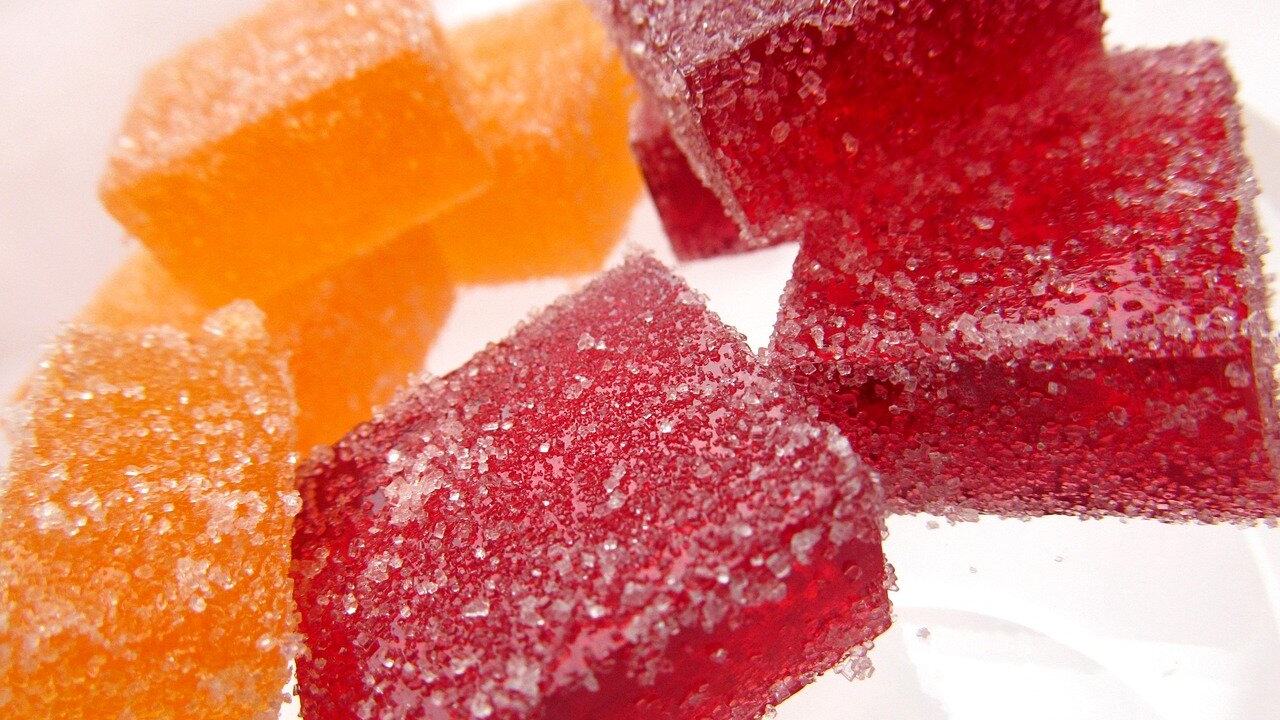
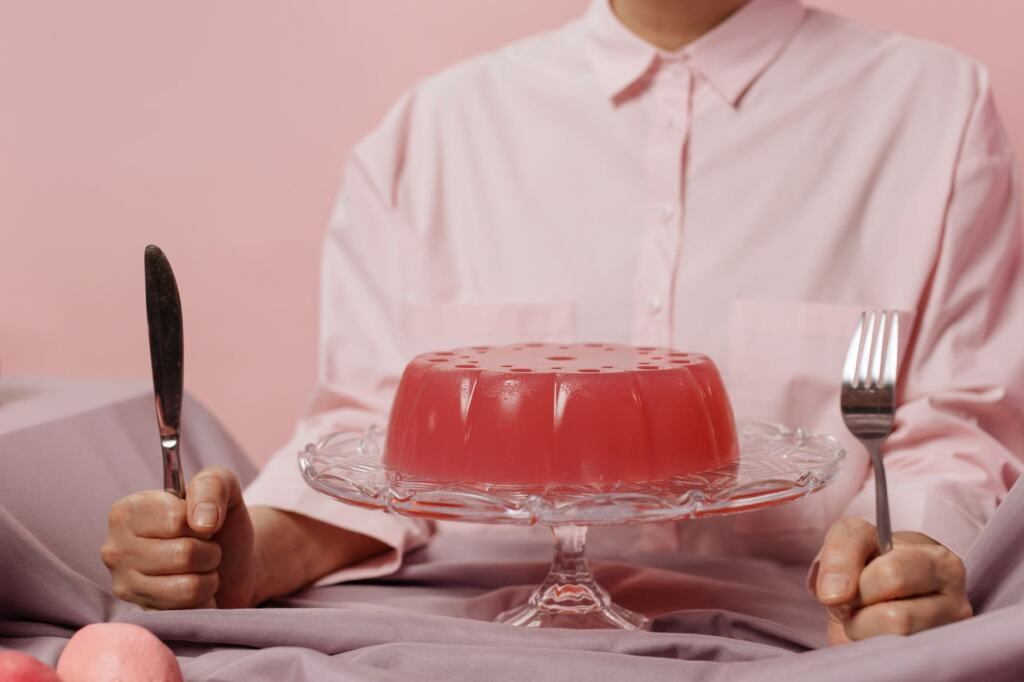
The reverse also holds. Gelatin forms a gel that thickens when cooled, a property collagen peptides lack. A brand explainer from Vital Proteins says beef gelatin sets up jiggly, like jello, when chilled. Peptides will not do this, so they cannot replace gelatin in panna cotta, mousse or gummies.
Using gelatin correctly
The same manufacturer guidance says gelatin works in two stages. Bloom it first in a cold or room-temperature liquid, then dissolve it in hot liquid. The cold step is for hydrating the granules; it does not dissolve them. Skipping the hot step is the usual reason a gelatin mixture fails to set smoothly.
Absorption and digestion in context
Peptides are easier to digest than gelatin, according to Healthline, and Performance Lab attributes easier absorption to their smaller molecular size. This is a statement about the molecules. It is not evidence that peptides produce better results for your skin or joints.
The practical value is tolerance and convenience. If a thick, gelling protein is awkward to take daily, peptides remove that problem. If you already use gelatin in cooking and are happy with it, faster digestion alone is a weak reason to switch.
Skin, joints, hair and nails
Both forms are sold for skin and joints, but the supported answer is cautious. Performance Lab says the evidence for joint benefit is limited for both collagen peptides and gelatin, and that both need more robust human trials to show the full scope of their effects. The same source says neither has robust scientific backing for hair and nail growth.
- Joints: treat any benefit as possible but unproven for either form. A supplement is not a substitute for medical advice on joint pain.
- Hair and nails: do not buy either product expecting growth; the backing is not robust.
- Skin: the two forms share the same amino acids, so there is no basis for expecting gelatin to do less or more than peptides. If you try one, do it as a low-cost experiment, not a promise.
Because the amino acid content is so similar, the more reliable reasons to choose one are texture, dissolving and cost.
Daily amounts and label checks
The studied collagen dose is 10-15 grams per day, as Performance Lab describes it. That is the range researchers have used, not a guarantee of results. Peptides make that range simple to reach consistently because they stir into a drink.
Gelatin is harder to measure. According to Healthline, collagen supplement labels display how much you are taking, while the gelatin in recipes is often a much smaller amount. A dessert that uses a little gelatin per serving does not match a daily supplement dose.
What to read on the label
- Product name: look for collagen peptides or hydrolyzed collagen if you want something that dissolves in cold drinks; plain gelatin will gel instead.
- Serving size in grams: work out how many servings make up your daily amount, rather than trusting scoop counts alone.
- Flavour and additives: some peptide products are sold unflavored, which suits coffee and plain drinks, so check what else is in the tub.
- Price per serving: gelatin tends to cost less, so compare cost per gram of product if budget matters.
Choosing by task
- Daily drink or smoothie: choose collagen peptides, because they dissolve in hot or cold liquids and do not thicken.
- Gummies, jellies or set desserts: choose gelatin, since only gelatin gels when chilled.
- Tight budget in the kitchen: choose gelatin, the more common culinary ingredient that tends to cost less.
- Sensitive digestion: start with peptides, the more fully hydrolyzed and easier-to-digest form.
Both products come from animal collagen, so neither suits a plant-based diet. If you are weighing other supplement forms, Creatine HCl Vs Monohydrate: Which Is Best For Strength, Size, And Stomach Comfort In 2026 – Testpledge and Magnesium Glycinate Vs Citrate Vs Oxide: Which Form Is Best For You In 2026? – Testpledge apply the same form-first thinking to other products.
Frequently asked questions
| Question | Answer |
|---|---|
| Is gelatin the same as collagen peptides? | Not quite. Both come from collagen, but gelatin is partially degraded with heat and still gels, while peptides are hydrolyzed further and stay liquid. |
| Which dissolves in cold liquids? | Collagen peptides. Most gelatin needs hot liquid, and is first bloomed in cold or room-temperature liquid before heating. |
| How much should I take daily? | Studies of collagen have used 10-15 grams per day. Check the grams per serving on the label to see how that translates to your product. |
| Can I swap one for the other in a recipe? | Not for anything that must set. Peptides lack gelling properties, so use gelatin for jellies and desserts and peptides for drinks. |