The best protein powder without heavy metals helps people protect their health. Consumers want clear proof that a product has low heavy metals. This article explains why metals in supplements matter, gives step‑by‑step guidance for verifying third‑party tests, ranks common protein types by typical heavy‑metal risk, points to the kinds of products and label signals to prefer, and provides a practical buying checklist and safe usage tips. The guidance is practical and action‑oriented so readers can reduce risk when adding powdered protein to their daily routine.
Key Takeaways
- The best protein powder without heavy metals minimizes exposure to lead, arsenic, cadmium, and mercury through careful sourcing and independent testing.
- Always look for a Certificate of Analysis (COA) that includes batch numbers, test dates, lab accreditation, and results for all four priority metals before buying.
- Whey typically shows lower heavy‑metal levels than many plant proteins, but any category can be safe if the brand tests each batch and publishes the COA.
- Prefer products tested by ISO‑accredited independent labs using methods like ICP‑MS and that publish clear per‑serving or per‑gram results.
- Follow a checklist: match COA batch IDs, confirm test scope and units, rotate protein sources, and adhere to labeled serving sizes to limit cumulative exposure.
Why Heavy Metals In Protein Powder Matter — Health Risks And Sources
Heavy metals such as lead, arsenic, cadmium, and mercury are persistent environmental contaminants that can accumulate in food. Short‑term exposure at low levels may cause few noticeable effects, but chronic exposure—even at low doses—can increase the risk of neurological problems, kidney stress, and developmental harm in children. Because protein powders are often consumed daily or in multiple servings, even small amounts per serving can add up over time.
Sources of contamination are varied: plants take up metals from soil and irrigation water, animals can accumulate metals from feed and environment, and manufacturing or packaging steps may introduce additional contamination. Geographic differences in soil composition and industrial pollution mean that sourcing and supply‑chain controls matter. Regulators provide maximum limits for contaminants in foods and supplements; however, brands vary in how rigorously they test and disclose results. For consumers prioritizing safety, choosing the best protein powder without heavy metals means prioritizing transparent, batch‑level testing and responsible sourcing.
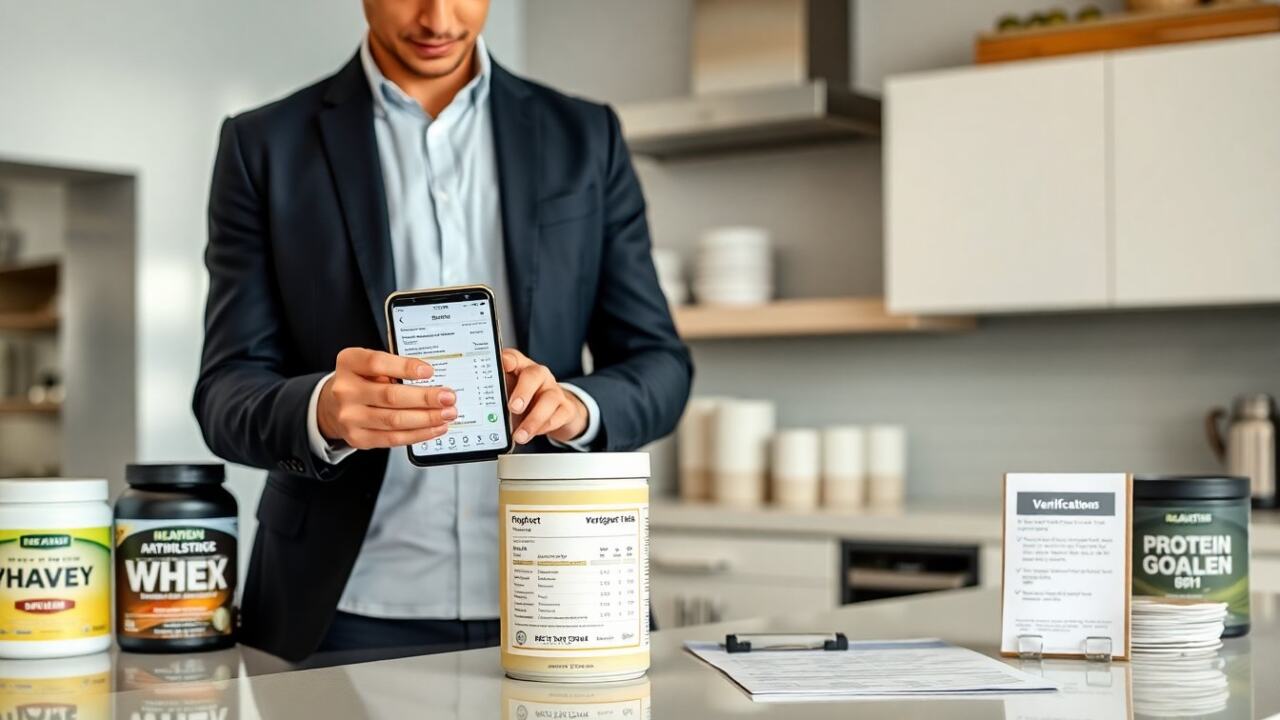
How To Verify Third‑Party Tests Before You Buy
Not all “third‑party tested” claims are equal. Follow a short verification workflow before you buy:
- Locate the COA or lab report: It should be available on the product page, the brand’s lab‑testing page, or accessible via a QR code or customer service request.
- Match batch numbers: Confirm the COA’s batch or lot number matches the product’s lot number or production date. A COA for a different batch is not proof for the item you’ll buy.
- Check the test scope and methods: Ensure the report lists lead, arsenic, cadmium, and mercury. Preferred methods such as ICP‑MS or equivalent sensitive techniques should be stated; reports that do not list methods are less reliable.
- Confirm lab independence and accreditation: The lab name should be visible on the report. Look for ISO accreditation or equivalent third‑party credentials. Avoid reports that appear to be internal, unsigned, or lacking lab contact details.
- Review units and result presentation: Results should be shown in usable units (e.g., ppm or µg/g) and include per‑serving or per‑gram context so you can assess exposure relative to typical intake.
- Note test date and frequency: Recent tests are better. Brands that test every batch or publish rolling COAs are more trustworthy than those that test sporadically.
Red flags: missing batch numbers; COAs that only show “below detection” without detection limits; reports that omit one or more priority metals; or a brand that refuses to provide a full report on request. If any of these appear, contact the brand for the full lab report or choose a different product.
Reading Certificates Of Analysis (COAs) And Lab Reports
A COA can look technical, but you can evaluate it quickly by scanning for a few key elements. First, verify identifying information: product name, brand, batch/lot number, and test date. Next, find the laboratory name and any accreditation seals. Then confirm the analytical method (for example, ICP‑MS or a named validated method) and review units and detection limits—knowing the limit of detection helps interpret “non‑detect” entries.
When reviewing results, check that each of the four priority metals is listed and that values are expressed per mass or per serving so you can compare them against regulatory guidance or your own exposure goals. Look for any notes or disclaimers about the sample preparation, matrix spikes, or limits of the test that might affect interpretation. If the COA is abbreviated, request the full lab report, including raw instrument data and chain‑of‑custody documentation, from customer service before purchase.
Protein Types Ranked By Heavy‑Metal Risk (Whey, Plant, Collagen)
Different protein sources have different typical exposure pathways. Ranked generally from lower to higher typical heavy‑metal risk (all else equal):
- Whey protein: When milk is sourced from well‑regulated dairies and the manufacturer tests each batch, whey often shows lower levels of soil‑derived metals because the dairy supply chain can be more controlled. Still, testing is essential because feed and regional contamination can vary.
- Collagen protein: Collagen is animal‑derived and its metal levels depend on animal diet and processing controls. Reputable collagen brands that test each batch can and do achieve low metal results, but variability between suppliers means COAs matter.
- Plant proteins (pea, soy, rice, hemp, etc.): Plants directly take up metals from soil and water. Among plant proteins, rice-derived powders are often flagged for higher arsenic potential, while legumes like pea or soy may be lower—but all plant powders should be batch‑tested. Botanical blends and superfood fortifications introduce additional sourcing complexity and potential risk if ingredients come from regions with elevated soil metals.
Key takeaway: category labels (whey, plant, collagen) are not a substitute for batch COAs. The best protein powder without heavy metals is one where the brand demonstrates consistent, batch‑level testing and clear traceability, regardless of protein type.
Top Protein Powders That Have Tested Low For Heavy Metals
This section explains how to identify products that have tested low rather than listing specific brands. Prefer powders with the following signals:
- Published batch COAs that include numeric values for lead, arsenic, cadmium, and mercury and state the units and detection limits.
- COAs produced by independent, accredited labs (ISO or equivalent) and referencing validated analytical methods.
- Reports that present results per gram and per labeled serving, so consumers can estimate exposure based on actual consumption.
- Transparent sourcing statements that identify ingredient origins or the regions where key ingredients were grown or raised, helping consumers assess potential soil‑based risks.
- Products whose COAs consistently show nondetectable or very low values across multiple recent batches rather than a single one‑off test.
Shoppers can apply those signals when evaluating options: review the brand’s testing page, request a COA for the exact lot you’re buying, and prefer vendors who make lab reports easy to find and understand.
Practical Buying Checklist And Safe Usage Tips
Use this concise checklist at the point of purchase:
- Find the COA and match the batch/lot number to the product you’ll receive.
- Confirm the report lists lead, arsenic, cadmium, and mercury and shows the test date and lab name.
- Verify the lab’s accreditation and the analytical method (ICP‑MS preferred) and check units and detection limits.
- Evaluate results per serving so you can judge cumulative exposure based on your planned intake.
- Avoid products lacking a COA or providing only summary statements; request the full report if needed.
Safe usage tips:
- Limit servings to the label‑recommended amount to avoid unnecessary accumulation of trace contaminants.
- Rotate protein sources (e.g., alternating whey, pea, collagen) to reduce the chance of repeated exposure from a single ingredient or supply chain.
- Store powders in cool, dry conditions and use within recommended timeframes to prevent product degradation.
- If you have heightened vulnerability (pregnancy, young children, kidney conditions), consult a healthcare professional about safe protein supplementation and proper product selection.
By following these verification steps and practical tips, consumers can significantly reduce their risk and select the best protein powder without heavy metals for their needs. Prioritize transparency, batch‑level COAs, and accredited testing rather than marketing claims alone.